Library of Weekly Reports

Divrei Torah Rooted in Breslov Chassidut

Collected Archive of Shoemaker Reports

The Shoemaker Report is Rav Hoshea’s weekly Torah publication. Its focus is on internalizing and living Torah from the heart, not only from the head. The divrei Torah often take the parashah of the week as their point of entry and address central questions of inner avodah — including teshuvah, prayer (tefillah), emunah, bitachon, and related areas of spiritual and personal refinement.

The writing assumes seriousness from the reader and speaks from within Torah life, with meaning emerging organically from honest analysis of our holy Torah and the words of Chazal, rather than from short-lived inspiration or simplified conclusions.

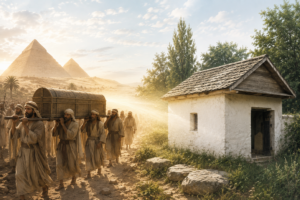
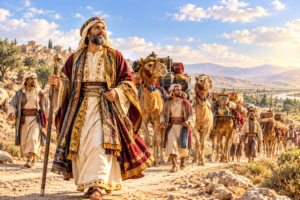
Eliezer and his men heading toward Padam Aram with many camels loaded with gifts

The Measure of a Man

What was the secret behind Eliezer's extraordinary success in finding a wife for Yitzchak? In Parashat Chayei Sarah, a remarkable account of personal sacrifice, loyalty, and spiritual transformation reveals a surprising lesson about shidduchim, the Tzaddik ha-Dor, and the true measure of a man's greatness.

Read More →
Jewish man sitting alone on the top of hill, in quiet meditation

The Extraordinary Power of a Sigh

R’ Nachman teaches that even a simple sigh or groan from a Jew is precious, because it has the power to replenish what is lacking in our lives. Through our attachment to the tzaddik ha-dor, that sigh draws ruach chaim—the spirit of life—into our deficiencies. Even when we cannot find the words to pray, our sighs are heard and are never wasted.

Read More →
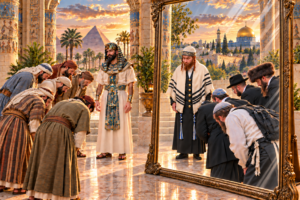
Yosef's brothers bowing down to him and modern Jews bowing down to Rebbe Nachman

Yosef: The Prototype of Machloket Against the Tzaddik

Why does the sale of Yosef ha-Tzaddik still matter for the final Geulah? Drawing on Rebbe Nachman’s Breslov teachings and R’ Natan’s Likutei Halachot, discover how machloket against the true tzaddik prolongs exile—and how teshuvah, emunat chachamim, and receiving Yosef’s da’at prepare Klal Yisrael for Mashiach.

Read More →
A river descending in 3 stages from Eden into the garden

The Da'at of Yosef

What must Mashiach ben David receive from Mashiach ben Yosef before the final redemption? Explore the da’at of Yosef ha-Tzaddik through Breslov teachings connecting the Ba’al Shem Tov, R’ Nachman, and Mashiach. Discover how humility, kedushat ha-brit, and attachment to the tzaddik enable Divine wisdom to flow toward the completed geulah.

Read More →
Ancient Israelites carrying the coffin of Yosef next to the building erected over the grave of R' Nachman of Breslev

Why Uman?

Uman Rosh Hashanah! Drawing on remarkable Breslov sources, this article explores the connection between R' Nachman, Mashiach ben Yosef, Yosef's bones, the Rosh Hashanah gathering in Uman, and the final Geulah—and why the journey to Rabbeinu's tziyun may occupy a profound place within the process of redemption itself.

Read More →
A mountain climber taking a selfie of myself at the summit.

The Dangerous Power of the Tzaddik

R' Nachman reveals one of the Yetzer ha-Ra's most subtle weapons: turning genuine spiritual success into ga'avah. Drawing on Likutei Moharan, Chazal, and the Kedushat Levi, this Shoemaker Report explores the extraordinary power of the tzaddik's tefillah—and why the greater the spiritual power, the greater the need for bitul.

Read More →

When the Yetzer ha-Ra Wears a Black Hat

What is the deeper connection between Balak and Bila'am? R’ Natan reveals that Balak represents open evil, while Bila'am represents something far more dangerous: corruption dressed in the language of truth, Torah, and fear of Heaven. This teaching explores how the Yetzer ha-Ra can disguise itself as religious sincerity, turn machloket into a mitzvah, and lead a person away from real kedushah while claiming to defend it.

Read More →

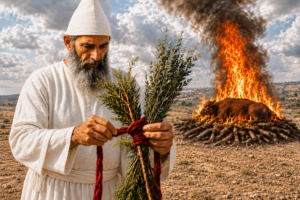
The Holy Chutzpah of the Worm

What is the spiritual meaning of Parah Adumah? The cedar, hyssop, and crimson wool reveal how the red heifer teaches humility, holy boldness, attachment to the Tzaddik, and the power of Torah and tefillah to bring the highest divine light even to the lowest Jew.

Read More →

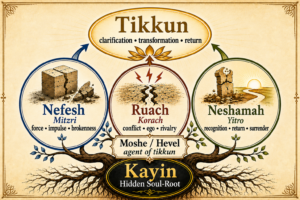
Why We Cannot Understand Our Own Lives

Do we really understand our own lives? Through the Arizal’s teaching on Kayin, Moshe, Yitro, Korach, and the Mitzri, this essay explores hidden soul-roots, gilgulim, and how Hashem guides even confusing struggles toward tikkun.

Read More →

Yashfeh: The Stone of Binyamin

Why did Binyamin merit the Beit ha-Mikdash in his portion? This essay explores the hidden greatness of Binyamin through the stone of yashfeh, the power of silence, and his response to humiliation and suffering. Drawing from Midrash, Gemara, and Breslov teachings, it uncovers how restraint, dignity, and quiet endurance became the vessel for the revelation of the Shechinah.

Read More →

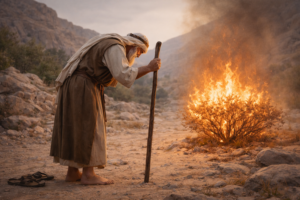
Send Someone Else!

Moshe’s seven-day refusal was not hesitation, but a moral protest: he sensed that the geulah would first intensify suffering before resolving it. He would not accept being the agent of a redemption that deepens pain unless it reaches completion. What appears as delay is, in truth, the structure of geulah itself—revelation, resistance, concealment, and final redemption.

Read More →

Why Nothing Changes

You pray, fast, and struggle to change, yet nothing seems to last. The effort feels sincere, even heroic, but the same patterns return. The failure is not moral weakness – it is structural. Self-reliance itself becomes the barrier to true repair.

Read More →