Library of Weekly Reports

Divrei Torah Rooted in Breslov Chassidut

Collected Archive of Shoemaker Reports

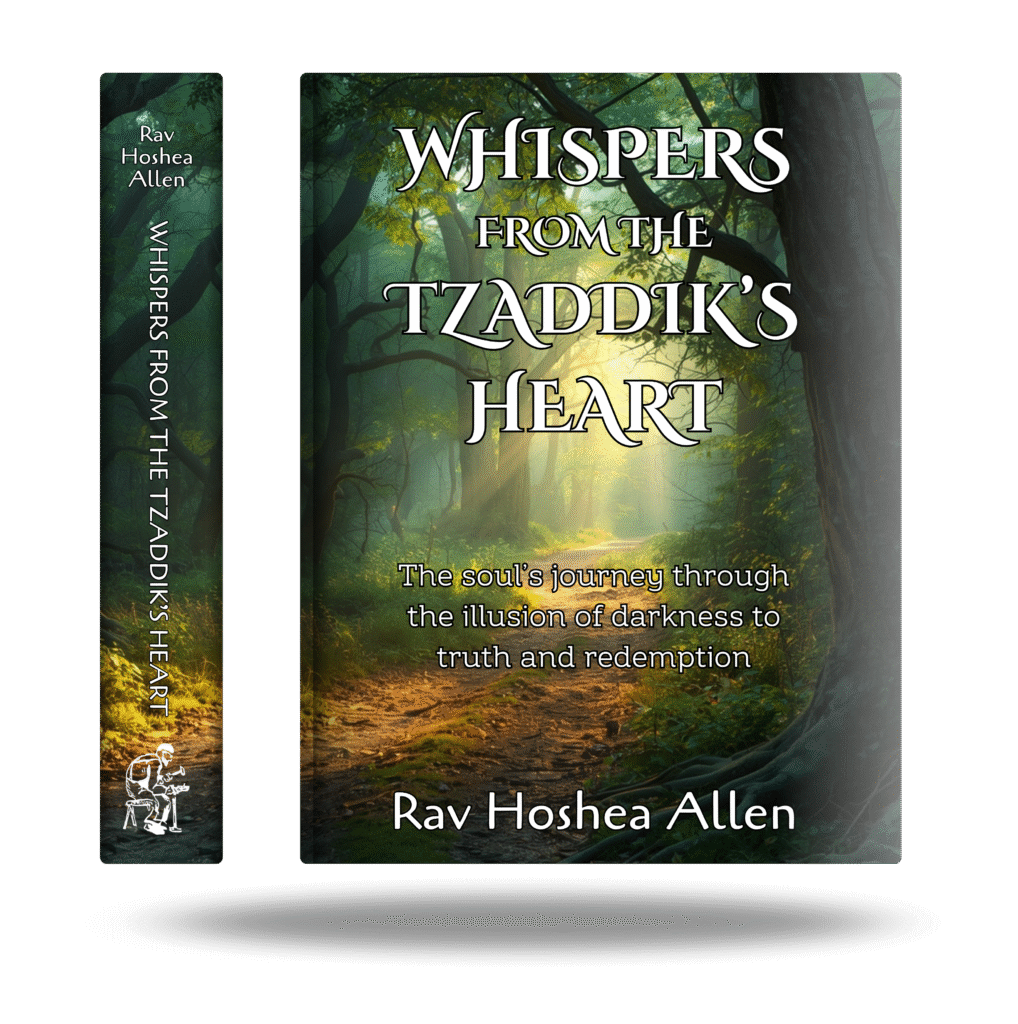
The Shoemaker Report is Rav Hoshea’s weekly Torah publication. Its focus is on internalizing and living Torah from the heart, not only from the head. The divrei Torah often take the parashah of the week as their point of entry and address central questions of inner avodah — including teshuvahprayer (tefillah)emunah, bitachon, and related areas of spiritual and personal refinement.

The writing assumes seriousness from the reader and speaks from within Torah life, with meaning emerging organically from honest analysis of our holy Torah and the words of Chazal, rather than from short-lived inspiration or simplified conclusions.

When the Yetzer ha-Ra Wears a Black Hat

What is the deeper connection between Balak and Bila'am? R’ Natan reveals that Balak represents open evil, while Bila'am represents something far more dangerous: corruption dressed in the language of truth, Torah, and fear of Heaven. This teaching explores how the Yetzer ha-Ra can disguise itself as religious sincerity, turn machloket into a mitzvah, and lead a person away from real kedushah while claiming to defend it.

Read More →

The Holy Chutzpah of the Worm

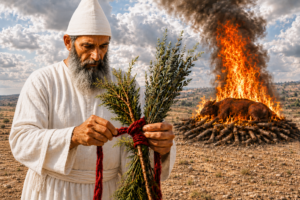
What is the spiritual meaning of Parah Adumah? The cedar, hyssop, and crimson wool reveal how the red heifer teaches humility, holy boldness, attachment to the Tzaddik, and the power of Torah and tefillah to bring the highest divine light even to the lowest Jew.

Read More →

Why We Cannot Understand Our Own Lives

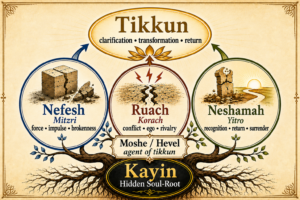
Do we really understand our own lives? Through the Arizal’s teaching on Kayin, Moshe, Yitro, Korach, and the Mitzri, this essay explores hidden soul-roots, gilgulim, and how Hashem guides even confusing struggles toward tikkun.

Read More →

Yashfeh: The Stone of Binyamin

Why did Binyamin merit the Beit ha-Mikdash in his portion? This essay explores the hidden greatness of Binyamin through the stone of yashfeh, the power of silence, and his response to humiliation and suffering. Drawing from Midrash, Gemara, and Breslov teachings, it uncovers how restraint, dignity, and quiet endurance became the vessel for the revelation of the Shechinah.

Read More →

Send Someone Else!

Moshe’s seven-day refusal was not hesitation, but a moral protest: he sensed that the geulah would first intensify suffering before resolving it. He would not accept being the agent of a redemption that deepens pain unless it reaches completion. What appears as delay is, in truth, the structure of geulah itself—revelation, resistance, concealment, and final redemption.

Read More →

Why Nothing Changes

You pray, fast, and struggle to change, yet nothing seems to last. The effort feels sincere, even heroic, but the same patterns return. The failure is not moral weakness – it is structural. Self-reliance itself becomes the barrier to true repair.

Read More →

Yosef's Refusal of Potiphar's Wife Was Not Enough

Yosef’s refusal of Potiphar’s wife's advances was more than superhuman restraint. The Komarna Rebbe reveals that his strength came from hitkashrut to the tzaddik — the shalshelet of the Avot — the hidden power that empowered him to withstand even the fiercest temptation.

Read More →

Freeing the Captives

Fear disqualifies a man from battle—not only fear of swords, says R’ Akiva, but even fear of one’s own sins, says R’ Yosi ha-G’lili. The Torah hints that true war is spiritual: rescuing sparks of holiness from captivity, where the Shechinah itself waits for release.

Read More →

The Long and Winding Road

Mashiach’s origins are hidden in darkness—Lot, Balak, Eglon, and Rut. From incest to idolatry to devotion, the lineage of David ha-Melech reveals light emerging through klipah. Discover how redemption begins in the cracks of fear, impurity, and hidden holiness.

Read More →

Speak to the Rock Before Their Eyes

What will bring the final geulah? This deep Torah essay explores Moshe’s test at the rock, Miriam’s well, and the true path to redemption: humble, unified prayer. Learn why only through the collective tefillah of Klal Yisrael can the wellsprings of Torah reopen and Mashiach come.

Read More →

The Two Hundred and Fifty Who Joined Korach

What connects the 250 men of Korach, the Tower of Bavel, and S'dom? A startling teaching from the Megaleh Amukot reveals a spiritual lineage of rebellion—souls driven by ambition without submission. Discover how distorted holiness leads to destruction.

Read More →

The Source of the Spies' Lashon Ha-Ra

What drove the spies to speak lashon ha-ra about the Land? This essay uncovers a deeper root—fear of entering without Moshe, a crisis of emunah, and a tragic replay of Eshkol’s well-meaning but misguided counsel.

Read More →