

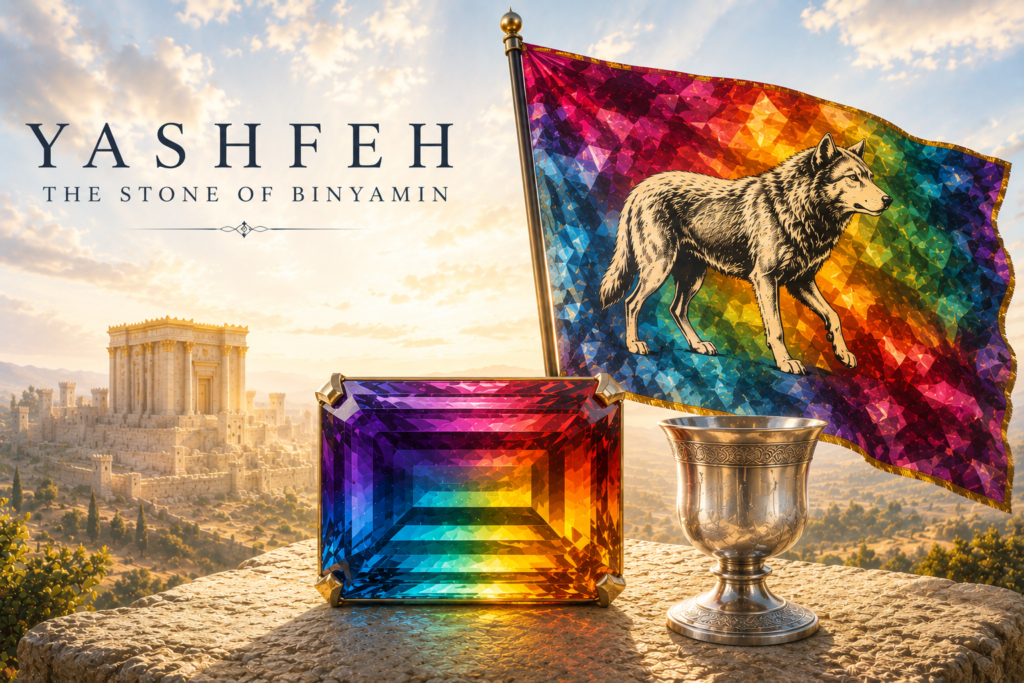
Why the Beit ha-Mikdash Was in His Portion
What was so great about Binyamin ben Ya'akov that he merited to have the Beit ha-Mikdash built in his tribal portion of Eretz Yisrael?
We begin with a command in this week's parashah (Bemidbar 2:2): אִישׁ עַל־דִּגְלוֹ בְאֹתֹת לְבֵית אֲבֹתָם יַחֲנוּ בְּנֵי יִשְׂרָאֵל מִנֶּגֶד סָבִיב לְאֹהֶל־מוֹעֵד יַחֲנוּ (Each man by his banner, with signs according to their fathers' houses, B'nei Yisrael shall camp; at a distance, surrounding the Ohel Mo'ed, they shall encamp).
Even though the Chumash itself only mentions the four central banners [דְּגָלִים, degalim] of Yehudah, Reuven, Ephraim, and Dan, the Midrash explains that each tribe also had their own flag – the 'signs' mentioned in the pasuk: (Bemidbar Rabbah 2:7): בְאֹתֹת: סִימָנִין הָיוּ לְכָל נָשִׂיא וְנָשִׂיא מַפָּה וְצֶבַע עַל כָּל מַפָּה וּמַפָּה כַּצֶּבַע שֶׁל אֲבָנִים טוֹבוֹת שֶׁהָיוּ עַל לִבּוֹ שֶׁל אַהֲרֹן … כָּל שֵׁבֶט וְשֵׁבֶט נָשִׂיא שֶׁלּוֹ צֶבַע מַפָּה שֶׁלּוֹ דּוֹמֶה לַצֶּבַע שֶׁל אַבְנוֹ ('With signs': There were identifying signs for each and every tribal leader, a flag and a color on each and every flag according to the color of the precious stones that were on the heart of Aharon … the color of the flag of the leader of each and every tribe resembled the color of his stone). The stones on the choshen mishpat represented the inner aspect of each tribe's kedushah in the Mikdash, whereas the flags represented the outer expression of that same kedushah as each tribe related to the world.
All twelve stones are named explicitly in Shemot 28:17-20 – three to a row. Although the Chumash does not state which stone belonged to which tribe, the Midrash lays it all out. Which was Binyamin's stone? The last stone in the list, the leftmost stone in the fourth row, was his – יָשְׁפֵה [yashfeh]: בִּנְיָמִין יָשְׁפֵה וְצֶבַע מַפָּה שֶׁלּוֹ דּוֹמֶה לְכָל הַצְּבָעִים [הַשְּׁבָטִים] לִשְׁנֵים עָשָׂר הַצְּבָעִים (Binyamin – yashfeh; and the color of his banner resembled all the colors [the tribes], the twelve colors).
Binyamin's stone included the colors of all the other stones. To understand this, we must first examine the deeper meaning of yashfeh itself. Describing the praise of Rachel, Binyamin's mother, the Midrash says (Bereshit Rabbah 71:5): רָחֵל תָּפְסָה פֶּלֶךְ שְׁתִיקָה, וְעָמְדוּ כָּל בָּנֶיהָ בַּעֲלֵי מִסְטִירִין (Rachel developed the craft of silence, and all of her descendants arose to be masters of secrecy). We know that Rachel was silent – so as not to bring shame upon her sister when Lavan substituted Leah for her on the wedding night – but how was this character trait exemplified in Binyamin? The Midrash continues: בִּנְיָמִין: יָשְׁפֵה, יֵשׁ פֶּה – יוֹדֵעַ בִּמְכִירָתוֹ שֶׁל יוֹסֵף וְאֵינוֹ מַגִּיד (Binyamin: yashfeh, 'there is a mouth' [yesh peh] – he knew about the sale of Yosef and he didn't tell). Tell whom? Rabbeinu Bachya on Shemot 28:15 writes: וחשב מחשבות במכירתו של יוסף אם יגלה הדבר לאביו אם לא ואעפ"כ נתגבר על יצרו והיה מעצור לרוחו ולא גלה הדבר לאביו, ולכך נתנה לו האבן הזאת (And he had thoughts regarding the sale of Yosef, whether to reveal the matter to his father or not, and nevertheless he overcame his inclination, restrained his spirit, and did not reveal the matter to his father; and therefore, this stone was given to him). How he came to know the truth about what his half-brothers did to his brother is not known – whether his grandfather Yitzchak told him or he was informed through prophecy – the Midrash simply states that he knew. So for all those years, although he had the ability to speak what he knew, he chose silence. Whether it would have been considered lashon ha-ra in a technical sense is debatable, but it would very likely have been forbidden or improper speech since it would have caused harm without any constructive benefit. This is the meaning of yashfeh – yesh peh, forever memorialized on the chest of the Kohen Gadol.
There was another time when Binyamin chose silence in the face of pressure. After Yosef the Viceroy had dined with the brothers, he ordered that his special cup [גְּבִיעַ, g'via] be placed inside Binyamin's sack. The brothers were already on their way home when the Egyptian officials caught up with them and accused them of stealing the g'via (Bereshit 44:12): וַיְחַפֵּשׂ בַּגָּדוֹל הֵחֵל וּבַקָּטֹן כִּלָּה וַיִּמָּצֵא הַגָּבִיעַ בְּאַמְתַּחַת בִּנְיָמִן (And he searched, and he began with the oldest and ended with the youngest, and he found the g'via in Binyamin's sack).
The Midrash tells us what happened next (Bereshit Rabbah 92:8): כֵּיוָן שֶׁנִּמְצָא הַגָּבִיעַ אָמְרוּ לוֹ מַה גַּנָּבָא בַּר גַּנָּבְתָא (When the g'via was found, they said to him, 'What?! A thief, the son of a thief!'). The Matnot Kehunah writes: כלומר מה זאת אתה גנב בן רחל שגנבה את התרפים ובילקוט גרס הא גנבא כלומר הרי זאת לו שנטה אחר הטבע ומדת אמו (That is to say: 'What is this? You are a thief, the son of Rachel, who stole the teraphim?’ And in the Yalkut the reading is הא גנבא, that is to say, 'Behold, this is what has become of him, that he inclined after the nature and trait of his mother). So rather than conclude that the Viceroy had set them up, they chose not to judge their brother favorably and instead accused him of theft. Not only that, but they maligned his mother, Rachel, who had many years ago taken – 'stolen' – Lavan's idols. The Midrash Tanchuma tells us that it went even further than verbal abuse (Miketz 10): וְהָיוּ עוֹמְדִין וּמְחַבְּטִין לְבִנְיָמִין עַל כְּתֵפָיו וְאוֹמְרִין לוֹ, אִי גַנָּבָא, בְּרָא דְגַנַּבְתָּא, בִּיַּשְׁתָּנוּ, בֶּן אִמְּךָ אַתְּ, כָּךְ בִּיְּשָׁה אִמְּךָ אֶת אָבִינוּ (And they stood and hit Binyamin on his shoulders, saying to him, 'Ah! A thief! Son of a thief! You have shamed us. You are your mother's son – just as your mother shamed our father). Unbelievable. And this in light of the Midrash which even states (Shemot Rabbah 1:29): שֶׁאָדָם מֵרִים יָדוֹ לְהַכּוֹת חֲבֵרוֹ אַף עַל פִּי שֶׁלֹא הִכָּהוּ נִקְרָא רָשָׁע (That a person who raises his hand to strike his fellow, even though he does not strike him, is called a rasha). Yet, his brothers were tzaddikim, no?
Let's continue with the Midrash: וּבִשְׁבִיל אוֹתָן הַמַּכּוֹת שֶׁהִכּוּהוּ בִּכְתֵפָיו, זָכָה שֶׁתִּשְׁרֶה שְׁכִינָה בֵּין כְּתֵפָיו, שֶׁנֶּאֱמַר: חֹפֵף עָלָיו כָּל הַיּוֹם וּבֵין כְּתֵפָיו שָׁכֵן (And because of those blows that they struck him on his shoulders, he merited that the Shechinah would rest between his shoulders, as it says: 'He shelters him all the day, and between his shoulders He dwells'). This refers to Moshe's blessing of Binyamin in Devarim 33:12: לְבִנְיָמִן אָמַר יְדִיד יְיָ יִשְׁכֹּן לָבֶטַח עָלָיו חֹפֵף עָלָיו כׇּל־הַיּוֹם וּבֵין כְּתֵפָיו שָׁכֵן (Of Binyamin he said: Beloved of Hashem, may he dwell securely near Him; He shelters him all day, and between his shoulders He dwells). The Midrash is explicit. It is for this unwarranted physical abuse that Binyamin suffered at the hands of his brothers that he merited to have the Beit ha-Mikdash in his portion. Verbal abuse, physical beating, humiliation, and disgrace. And he took it all with a silent acceptance, never speaking out against anyone to cause harm through his words. No wonder the Gemara testifies that he was one of the few people who never sinned (Shabbat 55b).
How appropriate that the Beit ha-Mikdash would be established in his portion, to teach us the greatness of silence in the face of disgrace, even in the face of unjustified physical beatings. When Binyamin chose silence despite a strong inclination to speak, he built within himself the capacity to hold truth when releasing it would harm others. And we have a hint that Yosef knew of his greatness because g'via [גביע = 85] has the same gematria as peh [פה = 85]. The very object that he had placed in Binyamin's sack, thus pointed to Binyamin's defining quality: a mouth that knew, yet remained silent. In this sense, the test was not only directed at the brothers – it also quietly revealed what Yosef already recognized: the unique greatness of Binyamin's peh.
Now we can understand Binyamin's multi-colored stone and multi-colored flag. They represent inclusivity, not exclusivity. He held the capacity to contain within himself the light of all his brothers. He is acted upon but does not act. He is insulted but does not insult back. He is abused but does not abuse others. He absorbs all, he contains all.
As a separate point, but worth thinking about. Consider the greatness of Yehudah. The Midrash does not exempt any of the brothers from their insults and beatings of Binyamin. And yet, when they were brought back to the Viceroy's palace, Yehudah sacrificed himself to save Binyamin's life. Why? Wasn't he a rasha? Not at all. He truly was a tzaddik. But why did he lay his life on the life to save Binyamin? Because he had given his word to his father.
Why is silence in the face of insults and abuse such a great attribute? Isn't it a sign of weakness? That all depends on the person and the motives involved. If someone allows himself, without da'at or ratzon, to be abused, this is deeply problematic. However, where there is da'at and ratzon, then this is a very positive trait, for this is what we pray for three times each day at the end of Shemoneh Esreh: וְלִמְקַלְלַי נַפְשִׁי תִדּוֹם וְנַפְשִׁי כֶּעָפָר לַכֹּל תִּהְיֶה (And may my soul be silent to those who curse me, and may my soul be like dirt to everyone). It doesn't say, 'Let me find the right words to shoot back at them.'
This is also what we read in the Gemara (Shabbat 88b): תָּנוּ רַבָּנַן: עֲלוּבִין וְאֵינָן עוֹלְבִין, שׁוֹמְעִין חֶרְפָּתָן וְאֵינָן מְשִׁיבִין, עוֹשִׂין מֵאַהֲבָה וּשְׂמֵחִין בְּיִסּוּרִין, עֲלֵיהֶן הַכָּתוּב אוֹמֵר: ״וְאֹהֲבָיו כְּצֵאת הַשֶּׁמֶשׁ בִּגְבֻרָתוֹ״ (The Rabbis taught: Those who are insulted and do not insult, who hear their shame and do not respond, who act out of love and rejoice in suffering, about them the pasuk [Shofetim 5:31] says: 'And those who love Him are like the sun going forth in its might'). Why are they likened to the sun? First, the sun is constant and non-reactive. It is not diminished by the clouds or obstructions that are below it. Whether we see it or not, it is always shining. Second, the sun always gives. It does not withhold its goodness; it radiates warmth and light to all, to the wicked as well as to the good.
This is the greatness of Binyamin – the one through whom Hashem's honor would be revealed to the world. As R' Nachman teaches (Likutei Moharan 6:2): וְאִי אֶפְשָׁר לִזְכּוֹת לַכָּבוֹד הַזֶּה אֶלָּא עַל־יְדֵי תְּשׁוּבָה. וְעִקַּר הַתְּשׁוּבָה כְּשֶׁיִּשְׁמַע בִּזְיוֹנוֹ יִדֹּם וְיִשְׁתֹּק (And it is impossible to merit this honor except through teshuvah, and the essence of teshuvah is when one hears his disgrace, he is quiet and silent).
One Response
Binyamin was the only son born in Israel. He was the only son who did not bow down to Essv.
He thus merited to have the Mizbeach in his portion.