Library of Weekly Reports

Divrei Torah Rooted in Breslov Chassidut

Collected Archive of Shoemaker Reports

The Shoemaker Report is Rav Hoshea’s weekly Torah publication. Its focus is on internalizing and living Torah from the heart, not only from the head. The divrei Torah often take the parashah of the week as their point of entry and address central questions of inner avodah — including teshuvahprayer (tefillah)emunah, bitachon, and related areas of spiritual and personal refinement.

The writing assumes seriousness from the reader and speaks from within Torah life, with meaning emerging organically from honest analysis of our holy Torah and the words of Chazal, rather than from short-lived inspiration or simplified conclusions.

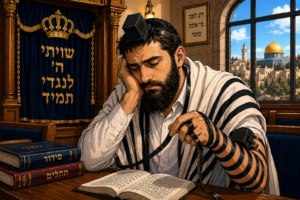
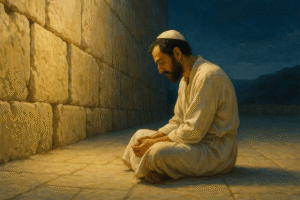
A Jew sitting inside his own eye with prison bars across the eye.

When Seeing Makes You Blind

What happens when what we see becomes the whole of reality? Drawing on Parashat Ki Tavo and R' Nachman’s teachings on da’at and the tachlit, this report explores how physical sight can imprison us in suffering—and how learning to see beyond appearances reveals the deeper reality of Hashem’s goodness and love.

Read More →
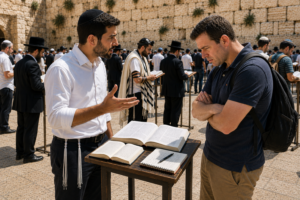
Jewish man and missionary at the kotel, missionary looking dejected because he didn't win his argument

Does Our Torah Predict Their Messiah?

Missionaries often cite Devarim 18:15 as proof that Moshe predicted their messiah as a unique future “prophet like me.” But is that really what the Torah says? When the pasuk is restored to its proper context and examined through the explanations of the Sifrei, Rashi, the Gur Aryeh, and the Rambam, the missionary reading begins to collapse. Rather than predicting a new religious figure who would replace the Torah of Moshe, the passage describes the continuing institution of prophecy within Yisrael — rooted in that Torah and bound by it.

Read More →

A Land That Consumes Its Inhabitants

Why did the meraglim speak lashon ha-ra against Eretz Yisrael? We explore the deeper root of their sin: the refusal to descend from lofty da'at into humble emunah, where physical mitzvot transform the lower world and reveal Hashem's presence in the Land.

Read More →

Yashfeh: The Stone of Binyamin

Why did Binyamin merit the Beit ha-Mikdash in his portion? This essay explores the hidden greatness of Binyamin through the stone of yashfeh, the power of silence, and his response to humiliation and suffering. Drawing from Midrash, Gemara, and Breslov teachings, it uncovers how restraint, dignity, and quiet endurance became the vessel for the revelation of the Shechinah.

Read More →

Covenant or Coincidence

What causes the curses in the Torah? Not simply sin, but a deeper collapse in the relationship between B'nei Yisrael and Hashem. Through Rashi's layered explanation of keri in Parashat Bechukotai, we trace the progression from casualness to inner resistance and spiritual numbness – and reveal why Moshe later identifies the true root as the loss of simchah in avodat Hashem.

Read More →

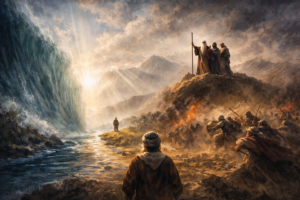
How Yitro Heard

Why do spiritual breakthroughs so often fail to change us? Through Yitro’s hearing, kriat Yam Suf, and the battle with Amalek, this Shoemaker Report explores why intensity alone doesn’t transform — and how restraint, not inspiration, allows real emunah to take root.

Read More →

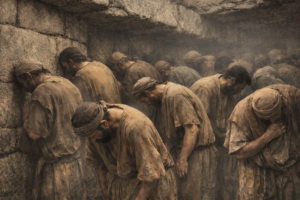
When Redemption Cannot Be Heard

At the end of Parashat Shemot, B’nei Yisrael believe Moshe’s promise of redemption. But after Pharaoh intensifies the bondage, they can no longer hear it. Not rebellion, but kotzer ruach – a collapse of human capacity under crushing pain. The Torah records this without blame, and redemption moves forward anyway.

Read More →

Rachel's Silence

Rachel’s silence in Vayeitzei hides one of the Torah’s most painful truths. For seven years she watched Leah receive the love, gifts, and destiny meant for her – and said nothing, choosing compassion over vindication. Her quiet sacrifice reshapes our understanding of the entire parashah.

Read More →

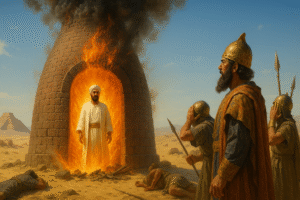
The Level of Not Caring

When Avraham was cast into Nimrod’s fiery furnace, he wasn’t proving courage—he was revealing perfect bitachon, trust beyond outcomes. Why was Avraham saved while Haran perished? Discover how absolute surrender to Hashem lifts a soul above nature itself—and what it means to truly let go.

Read More →

How Two Kings Share One Crown

When the moon asked, “Can two kings share one crown?”, Hashem answered, “Go and diminish yourself.” Her cry birthed longing and time itself. Through silence and humility, the soul learns to reflect rather than radiate—healing the ancient wound between giver and receiver.

Read More →

Not By Bread Alone — The Power of Vision

This essay explores Rebbe Nachman’s teaching that life flows not from bread alone, but from Hashem’s word—activated through vision and bitachon. Just as observation shapes reality in physics, focused spiritual sight forms the vessel that draws down blessing exactly be’ito—in its perfect time.

Read More →

Splendor Instead of Ashes

The destruction of the Beit ha‑Mikdash left us blind, but the ashes call us to action. At chatzot we join the Shechinah, turning sorrow into splendor and becoming partners in rebuilding Hashem’s House and bringing the light of geulah into our lives.

Read More →