When Humility Leads to Resurrection – and When It Feeds the Serpent
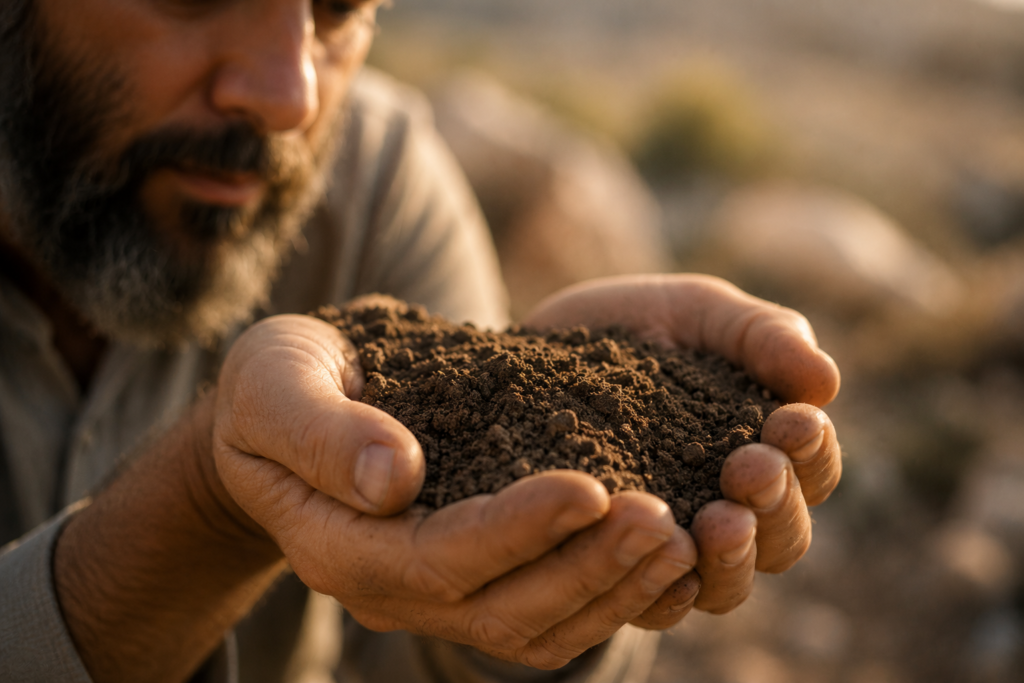
What is the difference between humility that gives life and humility that buries a person? For example, let's say you were to say about yourself, "I'm nothing." There are two very different ways that one can experience that sentiment. One way frees you from ego and allows you to move forward in life. The other way becomes discouragement, heaviness, and paralysis. The difference between these two forms of humility is reflected in two radically different meanings of dirt.
It is taught in the Gemara (Sotah 5a): וְאָמַר רַבִּי אֶלְעָזָר: כׇּל אָדָם שֶׁיֵּשׁ בּוֹ גַּסּוּת הָרוּחַ אֵין עֲפָרוֹ נִנְעָר, שֶׁנֶּאֱמַר: ״הָקִיצוּ וְרַנְּנוּ שֹׁכְנֵי עָפָר״, ״שֹׁכְבֵי בֶּעָפָר״ לֹא נֶאֱמַר, אֶלָּא ״שֹׁכְנֵי עָפָר״, מִי שֶׁנַּעֲשָׂה שָׁכֵן לֶעָפָר בְּחַיָּיו (R' Elazar said, Any person who has within him a haughty spirit, his dirt will not be stirred, as it says [Yeshayahu 26:19], 'Awake and sing joyfully, dirt-dwellers.' 'Those who lie in the dirt' is not said, but rather, 'dirt-dwellers' – one who became a neighbour to the dirt in his lifetime). To properly understand R' Elazar's teaching, we need two explanations – and Rashi supplies us with both. He explains that נִנְעָר [be stirred] means מֵקִיץ בִּתְחִיַּת הַמֵּתִים (awakens at the resurrection of the dead [techiyat ha-meitim]), and he tells us that שָׁכֵן לֶעָפָר (a neighbour to the dirt) means מַשְׁפִּיל עַצְמוֹ לֶעָפָר (lowers oneself to the dirt). So R' Elazar is being very precise with the pasuk and making a drashah – not everyone will be a part of techiyat ha-meitim. Those who conducted themselves arrogantly will be excluded, while those who habitually walked with humility will be included.
According to R' Elazar, then, dirt is something positive: it represents humility, it is associated with techiyat ha-meitim, and we want to identify ourselves with it so fully that we become, as it were, its neighbours. Yet there is another teaching in which dirt seems to signify not merely something different, but the exact opposite – something dangerous and spiritually destructive, from which we would want to distance ourselves entirely. R' Nachman of Breslov teaches (Likutei Moharan 189): צָרִיךְ לִזָּהֵר מְאֹד מֵעַצְבוּת וְעַצְלוּת, כִּי עִקַּר נְשִׁיכַת הַנָּחָשׁ הוּא עַצְבוּת וְעַצְלוּת, בִּבְחִינַת (ישעיהו ס״ה:כ״ה): וְנָחָשׁ עָפָר לַחְמוֹ; עָפָר הִיא בְּחִינַת עַצְבוּת וְעַצְלוּת, שֶׁהֵם בָּאִים מִיסוֹד הֶעָפָר (One must be very careful of sadness and laziness, because the main bite of the Serpent is sadness and laziness, in the aspect of [Yeshayahu 65:25]: 'And the Serpent, dirt is its food.' Dirt is the aspect of sadness and laziness, which come from the foundational element of dirt).
But this contradiction is not only between R' Elazar and R' Nachman – it is already present within Yeshayahu himself, who speaks about dirt in two completely opposite ways. So how can dirt represent both the humility through which a person merits resurrection and the sadness and laziness upon which the Serpent feeds? In Likutei Halachot, R' Natan of Nemerov resolves the contradiction by distinguishing between two entirely different forms of dirt. First, he writes (Hilchot Tefillin 6:11): כִּי תְּחִיַּת הַמֵּתִים הוּא עֲנָוָה אֲמִתִּיִּית שֶׁמֵּשִֹים עַצְמוֹ כְּעָפָר וְכַאֲדָמָה בְּחִינַת הָקִיצוּ וְרַנְּנוּ שׁוֹכְנֵי עָפָר מִי שֶׁנַּעֲשָֹה שָׁכֵן לֶעָפָר בְּחַיָּיו (For techiyat ha-meitim is true humility, that one makes himself like dirt and like the ground, in the aspect of, 'Awake and sing joyfully, dirt-dwellers' – one who became a neighbour to the dirt during his lifetime). But he then turns to its fallen counterpart: כִּי יֵשׁ לְהֵפֶךְ, בְּחִינַת עָפָר דְּסִטְרָא אַחֲרָא, שֶׁעִקַּר אֲחִיזַת הַסִּטְרָא אַחֲרָא וּנְשִׁיכַת הַנָּחָשׁ הוּא שָׁם, שֶׁהוּא בְּחִינַת וְנָחָשׁ עָפָר לַחְמוֹ, שֶׁהוּא בְּחִינַת עַצְבוּת וְעַצְלוּת (For there is, on the other hand, an aspect of the dirt of the Sitra Achra, where the main hold of the Sitra Achra and the bite of the Serpent are found, which is the aspect of, 'And the Serpent, dirt is its food,' which is the aspect of sadness and laziness). The question, then, is not whether a person makes himself like dirt, but rather, what kind of dirt he becomes.
This is not merely a disagreement over symbolism. It describes two entirely different ways of becoming small. A person may lower himself before Hashem and thereby become freer to move forward in life without placing obstacles in his own way, because his dignity, reputation, and comfort are no longer the center of everything. Or he may lower himself in a way that drains him of initiative: "Who am I? What can I accomplish? Why even try?" The words sound humble, but it's just sadness, laziness, and a withdrawal from responsibility.
So the question is rather simple, Does my shiflut make me more alive, responsible, energetic, and ready to serve the needs of others – or less? If it results in the former, then you know it is an aspect of true kedushah; if it is the latter, chas v'shalom, then you know it is what R' Natan calls עֲנָוָה פְּסוּלָה שֶׁבֶּאֱמֶת הִיא בְּחִינַת גַּדְלוּת (invalid humility that, in truth, is an aspect of arrogance). But why is this kind of humility a form of arrogance? Because the person remains absorbed in himself. He may not be thinking about his greatness, but he is still thinking constantly about his own inadequacy, his failures, and his inability to accomplish anything. True humility allows a person to forget himself sufficiently to act. Invalid humility makes the self so heavy that he can no longer move.
R' Natan connects this distinction directly to the parashah וְהָיָה אִם־שָׁמֹעַ (And if you listen), found at the end of Parashat Eikev and serving as the fourth and final parashah contained in tefillin. The Torah first commands (Devarim 11:18): וְשַׂמְתֶּם אֶת־דְּבָרַי אֵלֶּה עַל־לְבַבְכֶם וְעַל־נַפְשְׁכֶם וּקְשַׁרְתֶּם אֹתָם לְאוֹת עַל־יֶדְכֶם וְהָיוּ לְטוֹטָפֹת בֵּין עֵינֵיכֶם (You shall place these words of Mine upon your heart and upon your soul, and you shall bind them as a sign upon your hand, and they shall be as tefillin between your eyes). The passage then concludes (Devarim 11:21): לְמַעַן יִרְבּוּ יְמֵיכֶם וִימֵי בְנֵיכֶם עַל הָאֲדָמָה אֲשֶׁר נִשְׁבַּע יְיָ לַאֲבֹתֵיכֶם לָתֵת לָהֶם כִּימֵי הַשָּׁמַיִם עַל־הָאָרֶץ (So that your days and the days of your children may be increased upon the land that Hashem swore to your forefathers to give them, like the days of the heavens upon the earth). Rabban Gamliel detects within these final words an allusion to techiyat ha-meitim. How so? He explains in Sanhedrin 90b that the Torah does not say that Hashem swore to give the land לָכֶם (to you), but rather לָהֶם (to them), i.e. to the Patriarchs themselves. The land was promised to them, yet they died without possessing it fully; the promise therefore implies that they will live again and receive it. The final parashah of the tefillin therefore does not end merely with long life in the ordinary sense. It ends with the promise of life renewed after death, and specifically with that life taking place עַל הָאֲדָמָה (upon the ground).
R' Natan explains that this is not incidental to tefillin, but expresses their very purpose: כִּי עִקַּר הַתְּפִלִּין, שֶׁהֵם אוֹר הַפָּנִים הוּא לִזְכּוֹת לִתְחִיַּת הַמֵּתִים, שֶׁהוּא עֲנָוָה אֲמִתִּיִּית בְּחִינַת "הָקִיצוּ וְרַנְּנוּ שֹׁכְנֵי עָפָר" כַּנַּ"ל. (For the main aspect of tefillin, which are the Light of the Face, is to merit techiyat ha-meitim, which is true humility, in the aspect of, 'Awake and sing joyfully, dirt-dwellers'). Tefillin are thus connected to the transformation of dirt into life. The one who lowers himself to the dirt in true humility does not disappear into it. He becomes capable of awakening from it.
This also explains why, as R' Natan points out, all four parshiyot of tefillin speak about Eretz Yisrael: וְעַל-כֵּן מְדַבְּרִים כָּל הַפָּרָשִׁיּוֹת שֶׁל תְּפִלִּין מֵאֶרֶץ יִשְׂרָאֵל, כִּי עִקַּר תְּחִיַּת הַמֵּתִים יִהְיֶה בְּאֶרֶץ יִשְׂרָאֵל (And therefore all the parshiyot of the tefillin speak about Eretz Yisrael, because the main techiyat ha-meitim will be in Eretz Yisrael). He then reads the words עַל הָאֲדָמָה (upon the ground) with precision: וְזֶהוּ, "לְמַעַן יִרְבּוּ יְמֵיכֶם וְכוּ'" 'עַל הָאֲדָמָה' דַּיְקָא, שֶׁהוּא אֶרֶץ יִשְׂרָאֵל שֶׁשָּׁם עִקַּר תְּחִיַּת הַמֵּתִים (And this is, 'So that your days may be increased, etc.' 'upon the ground' specifically, for this is Eretz Yisrael, where the main techiyat ha-meitim will take place). The dirt of Eretz Yisrael is not dirt that swallows a person and leaves him inert. It is dirt associated with awakening, renewal, and life.
This gives tefillin an immediate relevance to the struggle between true and invalid humility. Tefillin are placed upon the arm and the head, upon action and thought, binding both to the word of Hashem. Invalid humility says, "I am nothing, therefore I cannot act." Tefillin respond: "Precisely because you are not the center, your mind and your strength can now be devoted to something greater than yourself." A person lowers himself before Hashem not in order to disappear, but in order to be brought to life. The humility of tefillin is not the dirt of sadness and laziness upon which the Serpent feeds. It is the holy dirt of Eretz Yisrael, the dirt of those who will awaken and sing – humility not as burial, but as the beginning of true life.
Perhaps this also allows us to hear the words that we recite each day in the second blessing of the Shemoneh Esreh in a deeper way: וּמְקַיֵּם אֱמוּנָתוֹ לִישֵׁנֵי עָפָר (He keeps His faith with the dirt-sleepers). On the simplest level, these are those lying or 'sleeping' in the dirt who await techiyat ha-meitim. But perhaps, by way of a derashah, יִשֵׁנֵי עָפָר can also be heard in light of R' Elazar's שׁוֹכְנֵי עָפָר – those who made themselves neighbours to the dirt through humility during their lives. And then this would be why we pray at the end of Shemoneh Esreh, וְנַפְשִׁי כֶּעָפָר לַכֹּל תִּהְיֶה (And may my soul be like the dirt to everyone). That is true humility: not the dirt that leaves a person lifeless, but the dirt from which he can awaken and sing.