What Ya'akov Was Accomplishing at Shechem
Although much has been written about whether Shimon and Levi's actions in slaughtering the inhabitants of Shechem following the abduction and violation of their sister Dinah were justified according to halachah, our concern here is with what Ya'akov Avinu had been attempting to accomplish among the inhabitants of Shechem in the first place. By examining several teachings of R' Nachman together with the words of the Ramban, we will come to understand the spiritual significance of Ya'akov's activities at Shechem and, consequently, what was lost when Shimon and Levi destroyed the city.
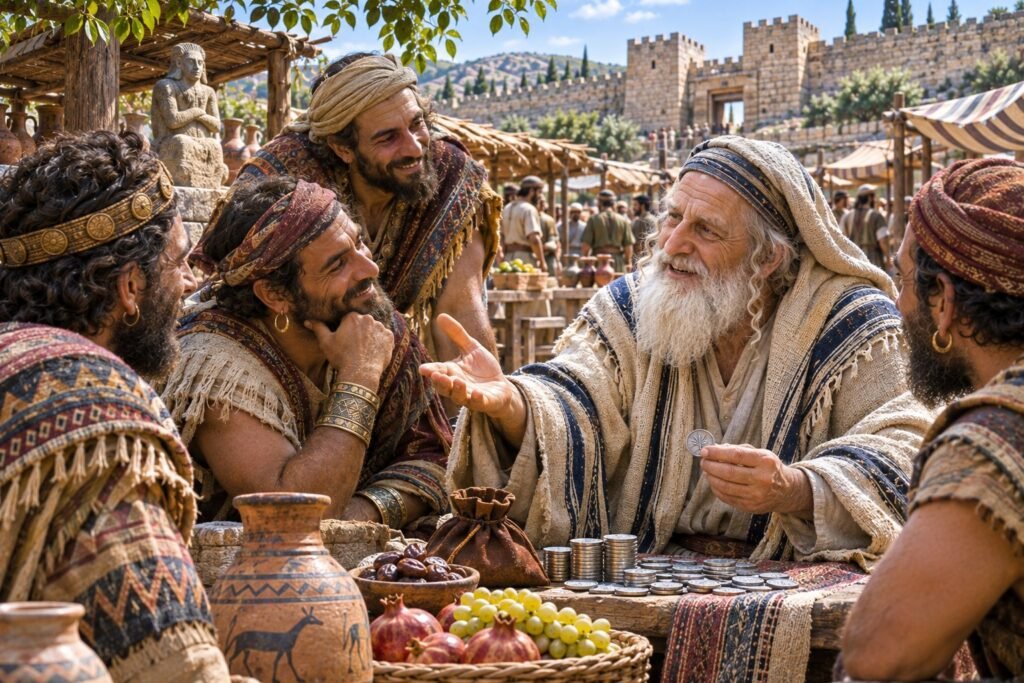
Upon returning to Eretz Yisrael after his lengthy absence, the Torah tells us (Bereshit 33:18): וַיָּבֹא יַעֲקֹב שָׁלֵם עִיר שְׁכֶם אֲשֶׁר בְּאֶרֶץ כְּנַעַן בְּבֹאוֹ מִפַּדַּן אֲרָם וַיִּחַן אֶת־פְּנֵי הָעִיר (And Ya'akov arrived whole at the city of Shechem, which is in the land of Cana'an, when he came from Paddan Aram, and he encamped before the city). Why does the Torah tell us that Ya'akov encamped before the city? Chazal interpret וַיִּחַן not only in terms of encampment [חֲנִיָּה], but also in terms of bestowing favor [חֵן] upon the inhabitants of the city. We learn in Shabbat 33b that according to Rav, Ya'akov established coinage for them; according to Shmuel, he established marketplaces for them; and according to R' Yochanan, he established bathhouses for them. The Midrash also teaches that Ya'akov showed favor to the prominent people of the city by sending them gifts (Bereshit Rabbah 79:6).
What was Ya'akov trying to accomplish through these activities? R' Nachman reveals the deeper significance of these activities in Likutei Moharan 23:1. Throughout this Torah, he explains the intimate relationship between ta'avat mammon [תַאֲוַת מָמוֹן] and avodah zarah [עֲבוֹדָה־זָרָה]. When a person believes that his own efforts, rather than Hashem, are the source of his parnasah, he has fallen into an aspect of avodah zarah. Moreover, R' Nachman teaches that the various forms of idolatry of the seventy nations are encompassed within ta'avat mammon. Consequently, the rectification of ta'avat mammon constitutes a rectification of the very foundations of idolatry.
It is in this context that R' Nachman explains the activities of Ya'akov at Shechem. Ya'akov embodies truth, as it is written (Michah 7:20): תִּתֵּן אֱמֶת לְיַעֲקֹב (You give truth to Ya'akov). Through the light of the countenance [אוֹר הַפָּנִים] that Ya'akov brought with him, a rectification of emunah began to take place throughout the city. R' Nachman explains: וְזֶה: מַטְבֵּעַ תִּקֵּן – שֶׁתִּקֵּן תַּאֲוַת מָמוֹן. וּכְשֶׁתִּקֵּן תַּאֲוַת מָמוֹן, נִתְתַּקֵּן פְּגַם עֲבוֹדַת אֱלִילִים. וְזֶה: מֶרְחֲצָאוֹת תִּקֵּן לָהֶם, כְּמוֹ שֶׁכָּתוּב: וַתֵּרֵד בַּת פַּרְעֹה לִרְחֹץ, וְדָרְשׁוּ חֲכָמֵינוּ זִכְרוֹנָם לִבְרָכָה [מגילה יג. וסוטה יב:]: לִרְחֹץ מִגִּלּוּלֵי בֵּית אָבִיהָ (And this is, 'he established coinage,' that he rectified ta'avat mammon. And when he rectified ta'avat mammon, the blemish of idolatry was rectified. And this is, 'he established bathhouses for them,' as it is written: 'Paroh's daughter went down to bathe', and Chazal expounded (Megillah 13a; Sotah 12b): 'to cleanse herself of the idols of her father's house'). R' Nachman's point is that these two understandings of Ya'akov's activities are not contradictory – rather, the rectification of the first leads to the rectification of the second. Ya'akov was rectifying the spiritual condition of the inhabitants of Shechem by addressing one of the principal roots of their idolatry.
We learn therefore that Ya'akov did not come to Shechem and denounce its inhabitants for their idolatry, nor did he regard their wickedness as a reason to have nothing to do with them. On the contrary, like his grandfather Avraham, who labored to draw people toward Hashem by providing them with food and drink (Sotah 10a), Ya'akov attended to their material needs as a means of rectifying their spiritual condition. Indeed, all three Avot were engaged in making gerim (Bereshit Rabbah 84:4). And according to R' Nachman, this process of rectification was already taking place at Shechem.
R' Nachman develops the significance of Ya'akov's arrival at Shechem even further in Likutei Moharan 27:1. He demonstrates that the extent to which the nations of the world can be drawn to serve Hashem in any given generation depends upon the degree of shalom that exists in that generation. When there is shalom, people are able to speak with one another, investigate the truth together, and explain to one another where the truth lies. Through this process, they can gradually abandon sheker and come closer to truth, until they ultimately cast away their idols and pray to Hashem alone. This is the direct fulfillment of a prophecy (Tzefanyah 3:9): כִּי־אָז אֶהְפֹּךְ אֶל־עַמִּים שָׂפָה בְרוּרָה לִקְרֹא כֻלָּם בְּשֵׁם יְיָ לְעָבְדוֹ שְׁכֶם אֶחָד (For then I will restore to the nations a pure language, so that they all call upon the name of Hashem, to serve Him with one accord). The expression שְׁכֶם אֶחָד [with one accord] is particularly significant here. Literally, it means 'one shoulder', conveying the idea of everyone working shoulder to shoulder toward a common objective. However, R' Nachman connects it with Ya'akov's arrival at Shechem (Likutei Moharan 27:2). The אִתְעָרוּתָא [itaruta, awakening] of the aspect of 'לְעָבְדוֹ שְׁכֶם אֶחָד' comes about through shalom, and shalom comes about through the aspect of Ya'akov, as it is written (Bereshit 33:18): וַיָּבֹא יַעֲקֹב שָׁלֵם עִיר שְׁכֶם (And Ya'akov arrived whole to the city of Shechem). The word שָׁלֵם [whole, complete] alludes to the shalom through which Ya'akov would begin to accomplish at Shechem what Tzefanyah prophesied would ultimately come to pass among all the nations of the world.
While this tikkun was underway, Shechem ben Chamor abducted and violated Dinah. When Chamor approached Ya'akov's family to arrange a marriage between his son and Dinah, Ya'akov's sons stipulated that they could not give their sister to an uncircumcised man. If all the males of the city would circumcise themselves, however, the two communities could dwell together and become one people (Bereshit 34:14-16). In persuading the inhabitants of the city, Chamor and Shechem emphasized the material advantages that would accrue to them through their association with Ya'akov's family (Bereshit 34:23): מִקְנֵהֶם וְקִנְיָנָם וְכָל־בְּהֶמְתָּם הֲלוֹא לָנוּ הֵם (Their livestock, and their possessions, and all their animals, will they not be ours?). It is ironic that it was precisely the desire for wealth, the very spiritual defect that Ya'akov was attempting to rectify among them, that played a major role in their decision to accept circumcision. Nevertheless, the fact that their motives were not pure does not mean that they were incapable of ultimately acquiring purer motives. After all, Chazal teach (Pesachim 50b): שֶׁמִּתּוֹךְ שֶׁלֹּא לִשְׁמָהּ בָּא לִשְׁמָהּ (For from lo lishmah one comes to lishmah).
On the third day following their circumcision, when the inhabitants were in pain, Shimon and Levi entered the city and killed all the males, including Shechem and Chamor, and removed Dinah from Shechem's house (Bereshit 34:25-26). The question of whether they were justified according to halachah in killing the other inhabitants of the city is the subject of a fundamental disagreement between the Rambam and the Ramban. According to the Rambam (Hilchot Melachim 9:14), as B'nei Noach, all the inhabitants deserved the death penalty because they knew of Shechem's crime and failed to bring him to justice. The Ramban (on Bereshit 34:13) strongly disagrees with this ruling and argues, among other things, that if the inhabitants were indeed liable to execution on these grounds, it would be difficult to understand why Ya'akov subsequently condemned the conduct of Shimon and Levi so severely.
However, what concerns us here is the Ramban's explanation of Shimon and Levi's attitude toward the Shechemites' circumcision. He writes: וְאֵין הַבְּרִית אֲשֶׁר נִמּוֹלוּ נֶחְשָׁב בְּעֵינֵיהֶם לִמְאוּמָה, כִּי הָיָה לְהַחֲנִיף לַאֲדוֹנֵיהֶם (And the covenant for which they were circumcised was considered as nothing in their eyes, for it was done to curry favor with their masters). According to Shimon and Levi, the circumcision of the inhabitants had no spiritual significance whatsoever. They were still wicked people, and their willingness to undergo circumcision in no way altered their judgment of them. Yet in explaining Ya'akov's objection to their actions, the Ramban writes something of enormous significance to our discussion: וְאוּלַי יָשׁוּבוּ אֶל ה׳, וְהָרְגוּ אוֹתָם חִינָּם, כִּי לֹא הֵרֵעוּ לָהֶם כְּלָל (And perhaps they would have returned to Hashem, yet they killed them without cause, even though they had done them no harm at all). Ya'akov wanted to eliminate idolatry, but Shimon and Levi eliminated the idolaters. In doing so, they brought an end to the kiruv that Ya'akov had been accomplishing through shalom.
But what led Shimon and Levi, themselves great tzaddikim, to adopt an approach so fundamentally different from that of their father? This is the question we will address in our next issue.