Reuven, Ben Temurah, and the Mystery of the Bechorah
Last year, we wrote a report entitled Ephraim and Menasheh Shall be Mine: A Deeper Reason Why Ya'akov Adopted Yosef's Two Sons. Its central point was that neither Lavan's deception nor Reuven's later interference with Ya'akov's bed could uproot Hashem's plan. The kehunah went to Levi, malchut went to Yehudah, and the bechorah returned to Yosef, the firstborn of Rachel – exactly where the Zohar says it ultimately belonged. However, we stated that Reuven was a ben temurah. After reviewing the sugya more carefully, that conclusion cannot stand.
It is written in Bemidbar 26:5: רְאוּבֵן בְּכוֹר יִשְׂרָאֵל בְּנֵי רְאוּבֵן חֲנוֹךְ מִשְׁפַּחַת הַחֲנֹכִי לְפַלּוּא מִשְׁפַּחַת הַפַּלֻּאִי (Reuven, the firstborn [bechor] of Yisrael. The sons of Reuven: Chanoch, the Chanochi family; of Pallu, the Pallu'i family). As this pasuk begins to describe the family structure of Reuven's family, it seems fairly innocuous at face value. But the truth is that it opens up an entire sugya.
Knowing that B'nei Yisrael were slaves of the Egyptians for so long and that slaves have little to no control over their lives, the nations of the world suspected that the paternal lineage of the tribes was suspect. Rashi states this explicitly: משפחת החנכי. לְפִי שֶׁהָיוּ הָאֻמּוֹת מְבַזִּין אוֹתָם וְאוֹמְרִים מָה אֵלּוּ מִתְיַחֲסִין עַל שִׁבְטֵיהֶם? סְבוּרִים הֵם שֶׁלֹּא שָׁלְטוּ הַמִּצְרִיִּים בְּאִמּוֹתֵיהֶם? אִם בְּגוּפָם הָיוּ מוֹשְׁלִים, קַל וָחֹמֶר בִּנְשׁוֹתֵיהֶם (The Chanochi family: Since the nations were degrading them and saying: What are these tracing themselves by lineage according to their tribes? Do they think that the Egyptians did not rule over their mothers? If over their bodies they were ruling, all the more so over their wives!) To forestall the force of this insult, Hashem testified to their spiritual purity: לְפִיכָךְ הִטִּיל הַקָּבָּ"ה שְׁמוֹ עֲלֵיהֶם, ה"א מִצַּד זֶה וְיוֹ"ד מִצַּד זֶה, לוֹמַר, מֵעִיד אֲנִי עֲלֵיהֶם שֶׁהֵם בְּנֵי אֲבוֹתֵיהֶם (Therefore, Ha-Kadosh, baruch Hu, cast His name upon them, a ה from this side and a י from this side [e.g. החנכי instead of חנך], saying: I testify upon them that they are the sons of their fathers). As far as Rashi is concerned, the families of Yisrael are not flawed. Hashem placed His name upon them and testified that they were the sons of their fathers.
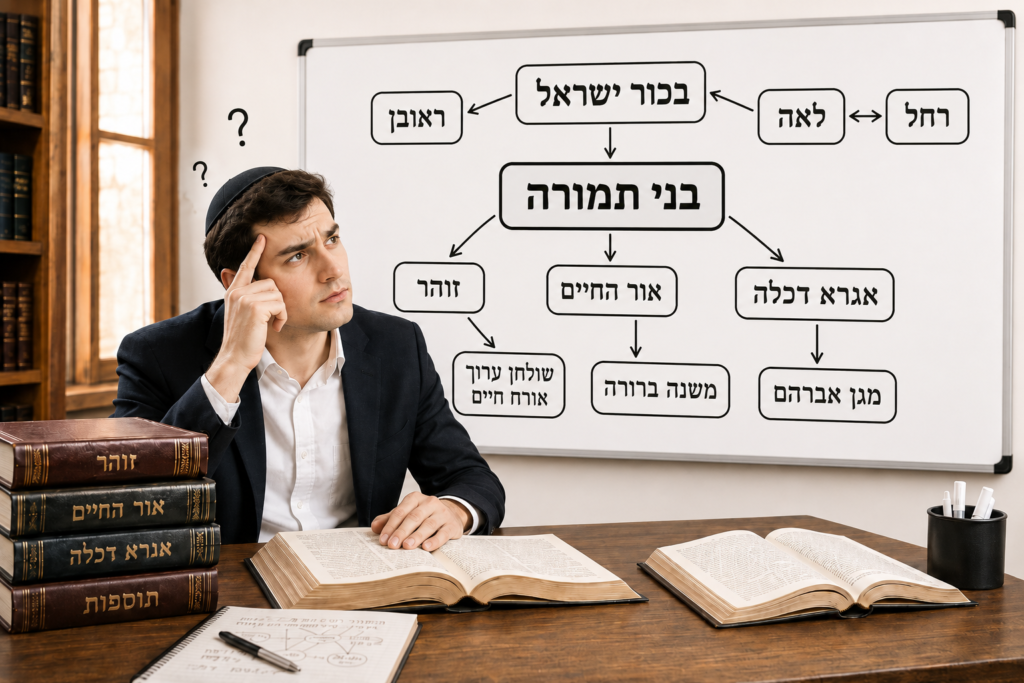
But if Hashem testified that the shevatim were holy seed, how are we to understand Reuven? After all, the Zohar ha-Kadosh states that when Ya'akov came to Leah (Vayishlach 176b): כָּל הַהוּא לֵילְיָא רְעוּתֵיהּ וְלִבֵּיהּ הֲוָה בְּרָחֵל, דְּחָשִׁיב דְּרָחֵל אִיהִי (All that night, his will [ratzon] and his heart were with Rachel, for he thought that she was Rachel). On the surface, this seems very problematic. Based on the teachings of R' Yehuda ha-Nasi and Ravina as recorded in Nedarim 20b, the Shulchan Aruch states (Orach Chaim 240:2): לא ישתה אדם בכוס זה ויתן עיניו בכוס אחר ואפילו שתיהן נשיו (A man shall not drink from this cup and set his eyes on another cup, even if both of them are his wives). In the very next se'if of the Shulchan Aruch, progeny of such a union are classified as בני תמורה [b'nei temurah, children of exchange]. Even though the children do not have the formal status of mamzerim or pesulim, a spiritual blemish is still associated with such a conception, because it came through the father's defective kavanah.
And that is the tension. On the one hand, Hashem testifies that the families of Yisrael were holy seed. Yet on the other hand, the Zohar says that Reuven was conceived when Ya'akov's thought was directed toward Rachel while the actual union was with Leah. The question is: Was Reuven a ben temurah or not?
The Mishnah Berurah explains what it means to set one's eyes on another woman: פי' שיתן מחשבתו בשעת תשמיש על האחרת (The explanation is that he sets his thought at the time of intercourse on the other woman). And defining the ben temurah, he writes: אפילו שתיהן נשיו וכגון שנתכוין לזו ונזדמנה לו אחרת (Even if both of them are his wives, and such as where he intended this one, and another one happened to him). That sounds like he is describing what happened to Ya'akov Avinu: having his kavanah on one woman when another one happened to come to him!
The Magen Avraham clarifies what the Mishnah Berurah's case actually is, and why the situation with Ya'akov and Leah did not fall into that category: וצ"ל דדוקא כשראה רחל שוכבת במטה ונתכוין לגוף זה ואח"כ נזדמנה לו לאה תחתיו אבל יעקב בשעת כניסתו לחופה ראה לאה ונתכוין לגופה רק שסבר ששמה רחל לית לן בה (One must say that it is specifically when he saw Rachel lying in the bed and intended this body, and afterward Leah happened to him underneath him. But Ya'akov, when he entered the chuppah, saw Leah and intended her body, only that he thought her name was Rachel; we have no issue with that). In other words, there is a difference between mistaken identity and exchange of the intended person. Ya'akov did not intend Rachel's actual body only to have Leah exchanged for her. Rather, his intention was directed toward the woman actually before him; he simply believed that she was Rachel. Therefore, there was no ben temurah-level mismatch between the woman present and the woman intended.
Continuing with the Zohar: וּמֵהַהוּא שִׁמּוּשָׁא וְטִפָּה קַדְמָאָה וּמֵהַהוּא רְעוּתָא אִתְעֲבָרַת לֵאָה וְאוּקְמוּהָ. דְּהָא אִלְמָלֵא דְיַעֲקֹב לָא יָדַע לָא יִסְתַּלִּיק רְאוּבֵן בְּחוּשְׁבָּנָא (And from that intercourse, and the first drop [of seed], and from that ratzon, Leah became pregnant, as they have established. For behold, if it had not been that Ya'akov did not know, Reuven would not have ascended in the reckoning). If Ya'akov didn't know what? The Matok Mi'Devash explains: שאם לא היה כן שיעקב לא ידע שהיא לאה, אלא היה יודע ועם כל זה היה מהרהר ברחל, אז לא היה ראובן עולה בחשבון הי״ב שבטים, כי היה בן תמורה (If this had not been so, that Ya'akov did not know that she was Leah, but rather he had known, and with all this he had been thinking about Rachel, then Reuven would not have ascended in the reckoning of the twelve shevatim, for he would have been a ben temurah). Since Ya'akov did not know she was Leah, he did not knowingly think of one woman while being with another. Therefore, Reuven was not a ben temurah at all.
Yet the Zohar continues: וְעִם כָּל דָּא אַהֲדַר עוֹבָדָא לְאַתְרֵיהּ, כְּמָה דְהַהוּא רְעוּתָא קַדְמָאָה אִתְעֲבִידַת בְּרָחֵל, הַהוּא רְעוּתָא אִתְהַדָּרַת בָּהּ. דְּהָא בְּכוֹרָתֵיהּ אַהֲדָרַת לְיוֹסֵף בּוּכְרָא דְרָחֵל (And with all this, the matter returned to its place: just as that first ratzon was made in Rachel, that ratzon returned to her, for his bechorah returned to Yosef, the bechor of Rachel). But why was this necessary? If Reuven was not a ben temurah, then why did the bechorah not remain with him? Why did it have to return to Rachel's line, to Yosef?
Within this framework, the Ohr Ha-Chaim on Bereshit 29:23 can be read as explaining that even though Reuven was not pasul, Lavan's deception still caused a real spiritual consequence: כִּי זֶה סִבָּה שֶׁנֶּעֶקְרָה קְדֻשַּׁת הַבְּכוֹר אֲשֶׁר בּוֹ יִתְקַבְּצוּ מַלְכוּת וּכְהֻנָּה וְשֶׁקֶל כָּפוּל בַּיְּרֻשָּׁה, וּלְצַד הַמַּעֲשֶׂה שֶׁחָשַׁב יַעֲקֹב בְּרָחֵל וְעָשָׂה פְּעֻלָּתוֹ בְּלֵאָה, נִתְפַּזְּרוּ בְּחִינוֹת הַקְּדֻשָּׁה וַתֶּחֱלַשׁ גְּבוּרַת הַקֹּדֶשׁ (For this was the reason that the kedushah of the bechor was uprooted – malchut and kehunah would have gathered in him, and a double shekel in the inheritance. And because of the act, that Ya'akov thought of Rachel and performed his action with Leah, the aspects of kedushah were scattered/dispersed, and the holy gevurah was weakened). So even though the act of intimacy was not at the halachic level that resulted in a ben temurah – there was a real, spiritual effect that had physical consequences – the kedushah of the bechorah was scattered and was not able to remain fully concentrated in Reuven.
The Agra d'Kalla goes one step further. He notes that Bemidbar 26:5 explicitly calls Reuven the bechor of Yisrael. But do we not already know this? He writes (Pinchas 20): ואחשוב דהנה ידוע מי שעושה כזאת מה שאירע ליעקב, דהיינו שותה בכוס זה וכו', הלא בני תמורה יקראו הבנים הנולדים ואין להם חלק בקדושה (נדרים כ' ע"ב). והנה גם בכאן קרה כענין הזה שניתנה בכורה ליוסף בכור רחל, כי עליו היתה המחשבה כמבואר בזהר (I might think as follows: behold, it is known that when one does something like what happened to Ya'akov – namely, 'drinking from this cup, etc.' [Nedarim 20b] – are not the children born from this called b'nei temurah, with no portion in kedushah? And behold, here also, something like this matter occurred, that the bechorah was given to Yosef, the bechor of Rachel, because the thought was upon him [Rachel's firstborn son], as is explained in the Zohar). The Agra d'Kalla accepts that Ya'akov's kavanah was directed toward Rachel, and this is why the bechorah ultimately returned to Yosef. His question is sharper: If the situation resembles b'nei temurah, why was Reuven himself not blemished?
His answer lies in a careful reading of Bereshit 29:23: וַיְהִי בָעֶרֶב וַיִּקַּח אֶת־לֵאָה בִתּוֹ וַיָּבֵא אֹתָהּ אֵלָיו וַיָּבֹא אֵלֶיהָ׃ (And it came to pass in the evening, and he [Lavan] took Leah his daughter, and he brought her to him [Ya'akov], and he came unto her). He says that the final words of the pasuk, וַיָּבֹא אֵלֶיהָ, are superfluous: כי הכל יודעין כלה למה נכנסה לחופה (for everyone knows why a kallah enters the chuppah). Rather, they teach that Ya'akov, knowing Lavan's deceitful ways, suspected that Rachel might be exchanged for Leah. Therefore, to rectify the situation as much as possible, היה יעקב בסתם מכוין לגוף זאת האשה תהיה מי שתהיה. וז"ש ויבוא אליה דייקא, שלא נתכוין דוקא לרחל רק אליה היינו לגוף הלזה (Ya'akov had general kavanah toward the body of this woman, whoever she might be. And this is what is written, 'and he came to her' specifically, that he did not have kavanah for Rachel davka, but only 'to her,' i.e., to this body). Reuven was truly not just the bechor of Leah, but the bechor of Yisrael as well. At the same time, החזיר השם ית' האבידה לבעליה (Hashem, may He be blessed, returned the lost object to its owner) – meaning, the bechorah was returned to its rightful owner, Yosef ben Rachel.
In summary, Lavan tried to uproot everything by introducing confusion at the very root of Ya'akov's family. But Hashem's truth is precise, and what needed to return to Rachel's line did return there, and what belonged to Reuven remained with him. The bechorah was redirected, but Reuven was not rejected.
And that point we can take home with us. When something goes wrong in our lives, we may think that we are ruined, damaged beyond repair, or pushed out of kedushah. But the truth of our Torah teaches otherwise. Not every loss is a disqualification, and not every spiritual consequence means that a person has been rejected. Hashem is far more faithful toward us than we can imagine.