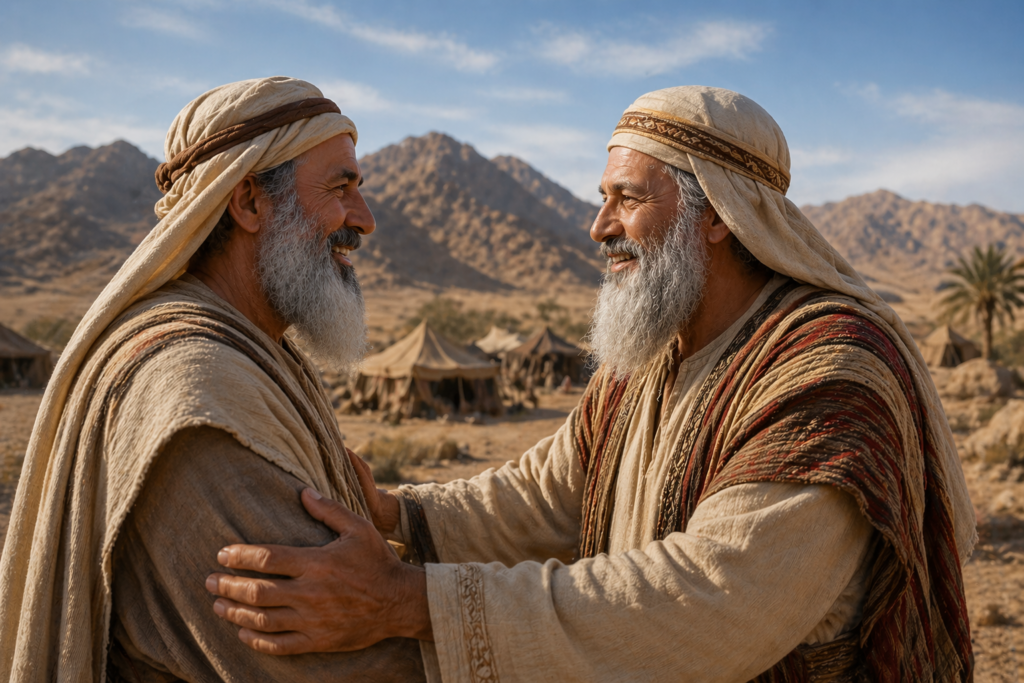
Sanctifying Hashem Within B'nei Yisrael
Sandwiched between laws pertaining to the kehunah and korbanot and a summary of the mo'adei Hashem, lies one pasuk that seems a little out of place (Vayikra 22:32): וְלֹא תְחַלְּלוּ אֶת־שֵׁם קׇדְשִׁי וְנִקְדַּשְׁתִּי בְּתוֹךְ בְּנֵי יִשְׂרָאֵל אֲנִי יְיָ מְקַדִּשְׁכֶם (And you shall not desecrate My holy name, but I will be sanctified within B'nei Yisrael – I am Hashem who sanctifies you). What does it mean to sanctify Hashem בְּתוֹךְ [b'toch, within] B'nei Yisrael?
The Gemara asks (Yoma 86a): הֵיכִי דָּמֵי חִילּוּל הַשֵּׁם (What constitutes chillul Hashem?) Yitzchak of the school of Yannai says: כׇּל שֶׁחֲבֵירָיו מִתְבַּיְּישִׁין מֵחֲמַת שְׁמוּעָתוֹ (Any case when one's friends are embarrassed on account of his reputation). Rav Nachman bar Yitzchak follows up with an example: כְּגוֹן דְּקָא אָמְרִי אִינָשֵׁי, שְׁרָא לֵיהּ מָרֵיהּ לִפְלָנְיָא (For example, when people say, May his Master forgive So-and-so). From here we see that our actions must be above reproach so that no chillul Hashem can result from our conduct or reputation. The Gemara continues: אַבָּיֵי אָמַר, כִּדְתַנְיָא: ״וְאָהַבְתָּ אֵת ה׳ אֱלֹקֶיךָ״, שֶׁיְּהֵא שֵׁם שָׁמַיִם מִתְאַהֵב עַל יָדְךָ … מָה הַבְּרִיּוֹת אוֹמְרוֹת עָלָיו? אַשְׁרֵי אָבִיו שֶׁלִּמְּדוֹ תּוֹרָה, אַשְׁרֵי רַבּוֹ שֶׁלִּמְּדוֹ תּוֹרָה (Abaye said, As it was taught in a Baraita: 'And you shall love Hashem your G‑d,' that the Name of Heaven should become beloved through you … What do people say about him? Praiseworthy is his father who taught him Torah; praiseworthy is his teacher who taught him Torah). In other words, we are not just commanded to love Hashem in a generic or abstract sense, but rather concretely – that our conduct should be so exemplary that it literally causes others to love Hashem. That's the essence.
When codifying the laws of chillul Hashem in his Mishneh Torah, the Rambam says something fascinating (Hilchot Yesodei ha-Torah 5:11): וְיֵשׁ דְּבָרִים אֲחֵרִים שֶׁהֵן בִּכְלַל חִלּוּל הַשֵּׁם: וְהוּא שֶׁיַּעֲשֶׂה אוֹתָם אָדָם גָּדוֹל בַּתּוֹרָה וּמְפֻרְסָם בַּחֲסִידוּת דְּבָרִים שֶׁהַבְּרִיּוֹת מְרַנְּנִים אַחֲרָיו בִּשְׁבִילָם. וְאַף עַל פִּי שֶׁאֵינָן עֲבֵרוֹת הֲרֵי זֶה חִלֵּל אֶת הַשֵּׁם (And there are other matters that are included in chillul Hashem: namely, when a person great in Torah and well-known for piety does things that people speak critically about him because of them, even though they are not transgressions, this is considered a chillul Hashem). What is the Rambam's chiddush? Not outright transgressions alone, but even perception alone, even without an actual transgression, can constitute chillul Hashem when the person is publicly identified with Torah.
Highlighting a few other points there, the Rambam writes: שֶׁדִּבּוּרוֹ עִם הַבְּרִיּוֹת אֵינוֹ בְּנַחַת וְאֵינוֹ מְקַבְּלָן בְּסֵבֶר פָּנִים יָפוֹת אֶלָּא בַּעַל קְטָטָה וְכַעַס. וְכַיּוֹצֵא בַּדְּבָרִים הָאֵלּוּ הַכּל לְפִי גָּדְלוֹ שֶׁל חָכָם צָרִיךְ שֶׁיְּדַקְדֵּק עַל עַצְמוֹ וְיַעֲשֶׂה לִפְנִים מִשּׁוּרַת הַדִּין (That, if his speech with people is not calm, and he does not receive them graciously, but is instead quarrelsome and angry. And similarly, in such matters everything depends on the stature of the Sage – he must be exacting with himself and act beyond the letter of the law). Rather, such a person must be gentle, gracious, and humble toward others, always choosing to give them honor – even if others disparage him. As the Rambam summarizes: בְּכָל מַעֲשָׂיו לִפְנִים מִשּׁוּרַת הַדִּין (In all his actions, he must go beyond the letter of the law). Not only did the Rambam move from actual transgressions to perceived ones, but here he moves the entire notion of chillul Hashem from a principle to a behavioral standard.
As we saw in Send Someone Else!, Moshe Rabbeinu did not resist the geulah out of hesitation or indifference, but out of a deep awareness that its initial unfolding would intensify the suffering of the people before it could bring them to redemption. Now, we want to focus on another dimension of Moshe's refusal.
Moshe argued with Hashem for seven days, presenting reason after reason why he was not the right person for the job. In the end, he begged Him (Shemot 4:13): שְׁלַח־נָא בְּיַד־תִּשְׁלָח (Please, send by the hand of whom You will send). And as we saw from the Ramban in last week's essay, the meaning of these words was: כִּי אֵין אָדָם בָּעוֹלָם שֶׁלֹּא יִהְיֶה הָגוּן יוֹתֵר מִמֶּנִּי לִשְׁלִיחוּת (For every person in the world is more fitting than I for the mission). But Rashi focuses the discussion and says, in essence, that even though Moshe felt that anyone else was more suitable than he was, his real concern was on one particular individual: בְּיַד מִי שֶׁאַתָּה רָגִיל לִשְׁלֹחַ, וְהוּא אַהֲרֹן (By the hand of the one whom You are accustomed to send, and that is Aharon). Moshe wanted Hashem to bring about the geulah through his brother, Aharon. But why?
To understand Moshe's concern, we go back to Rashi's comment on Shemot 4:10: וְכָל זֶה שֶׁלֹּא הָיָה רוֹצֶה לִטֹּל גְּדֻלָּה עַל אַהֲרֹן אָחִיו שֶׁהָיָה גָּדוֹל הֵימֶנּוּ וְנָבִיא הָיָה (And all of this was because he did not want to assume greatness [gedulah] over his brother Aharon, who was greater [alternatively: older] than he, and he was a prophet). And as the Midrash says, not just for a few years, but all his life (Shemot Rabbah 3:16): וְרַבָּנָן אָמְרֵי סָבוּר אַתָּה שֶׁהָיָה מְעַכֵּב משֶׁה לֵילֵךְ, אֵינוֹ כֵן, אֶלָּא כִּמְכַבֵּד לְאַהֲרֹן, שֶׁהָיָה משֶׁה אוֹמֵר עַד שֶׁלֹא עָמַדְתִּי הָיָה אַהֲרֹן אָחִי מִתְנַבֵּא לָהֶם בְּמִצְרַיִם שְׁמֹנִים שָׁנָה (And the Rabbis say: Do you think that Moshe was holding back from going? That's not so. Rather, he was showing honor to Aharon, for Moshe would say, 'Before I arose, my brother Aharon had been prophesying to them in Egypt for eighty years). Here, we see that Moshe's refusal was rooted in his great respect for his older brother, not an avoidance of responsibility.
Returning to Shemot 4:10, the key word there is גְּדֻלָּה [gedulah]. Moshe did not want to assume a position of authority, stature, or leadership that would place him above his brother, whom he knew was greater than he! So we see that גְּדֻלָּה does not refer to an intrinsic quality, but rather to its relational essence. Moshe was not denying his own potential – that is not a characteristic of a truly humble person anyway – rather, he was resisting an elevation that would come at the expense of another's stature. He was acting according to the Rambam's standard in the Mishneh Torah even before it was ever commanded.
Moshe's hesitation reflects a profound sensitivity to what we might call a zero-sum model of leadership – the assumption that for one to rise, another must be diminished. If he is to become the redeemer, then Aharon must be displaced. If he is to be elevated, it must come at the cost of his brother's standing. Moshe cannot accept that model of leadership, not because he rejects leadership per se, but because he rejects a form of leadership that is built on replacement, on the erasure of another's role. In his perception, taking גְּדֻלָּה means taking it from someone else. But he was mistaken. Ha-Kadosh, baruch Hu, was introducing a different model entirely: one in which roles are differentiated rather than replaced, aligned rather than opposed. Moshe will speak; Aharon will articulate. Moshe will lead; Aharon will accompany. The elevation of one does not require the diminishment of the other.
Finally, to assuage Moshe's concerns – even though they were misplaced – Hashem told him something that spoke to Moshe's heart, not just to his head (Shemot 4:14): הֲלֹא אַהֲרֹן אָחִיךָ הַלֵּוִי יָדַעְתִּי כִּי־דַבֵּר יְדַבֵּר הוּא וְגַם הִנֵּה־הוּא יֹצֵא לִקְרָאתֶךָ וְרָאֲךָ וְשָׂמַח בְּלִבּוֹ (Is there not your brother Aharon ha-Levi? I know that he speaks well. And even now, he is coming out to meet you; when he sees you, he will rejoice in his heart). These last two words – וְשָׂמַח בְּלִבּוֹ – were decisive. They directly negated Moshe's concern about a zero-sum dynamic. Aharon would not feel threatened or diminished; rather, he would experience genuine inner joy at Moshe's elevation.
Once Moshe understood that accepting Hashem's call to redeem the people would not cause any pain to his brother – any lack of respect or diminishment of his stature in the nation – only then did he agree to go. Moshe refused to be the redeemer if his rise would come at the cost of another Jew, especially within his own family. A geulah that produces suffering for another – especially for someone like Aharon – is not geulah. And in that, he was correct.
Therefore, if the first geulah, which is a blueprint of the final geulah, could not emerge through a structure that left even one relationship marred, what does that say about the final geulah, which must gather all of Israel? Perhaps the delay we feel is not only a question of readiness in the abstract, but of something more exacting: a geulah that refuses to be built on unresolved tension, on quiet displacement, on relationships that have not yet found their "וְשָׂמַח בְּלִבּוֹ".