Doing Teshuvah for the Sale of Yosef
Parashat Noach ends with the world divided. At the Dor ha-Flagah [דור הפלגה, 'the generation of the dispersion'], humanity is scattered across the face of the earth, and what had once stood together is now broken apart. It is therefore fitting that we turn this week to another rupture – one that R' Natan of Nemerov places at the very root of galut itself: the machloket between Yosef and his brothers.
In Likutei Halachot (Hilchot Birkat ha-Peirot 4:12), R' Natan writes: וּבִשְׁבִיל זֶה הָיְתָה גָּלוּת מִצְרַיִם וְעַל-כֵּן הִתְחִיל הַגָּלוּת עַל-יְדֵי מְכִירַת יוֹסֵף שֶׁהוּא בְּחִינַת נֹעַם שֶׁפָּגְמוּ בּוֹ עַל-יְדֵי הַמַּחֲלֹקֶת שֶׁחָלְקוּ עִמּוֹ אֶחָיו (And because of this there was the galut of Egypt; and therefore, the galut began through the sale of Yosef, who is the aspect of pleasantness, which they blemished through the machloket with which his brothers opposed him). Galut, then, did not merely happen sometime after the sale of Yosef, as a kind of by-product of being stuck in Egypt. R' Natan traces its beginning directly to the machloket against Yosef and the damage caused through his sale.
Nor does he leave that pattern in the distant past. Explaining Moshe Rabbeinu's words in Shemot 2:14,אָכֵן נוֹדַע הַדָּבָר (Indeed, the matter is known), after seeing two Jews fighting, R' Natan writes (Hilchot Birkat ha-Peirot 4:8): הַיְנוּ מֵחֲמַת שֶׁרָאָה שֶׁיֵּשׁ מַחֲלֹקֶת בְּיִשְׂרָאֵל עַל-כֵּן נוֹדַע לוֹ טַעַם הַגָּלוּת, כִּי עִקַּר הַגָּלוּת מֵחֲמַת הַחוֹבְלִים שֶׁהֵם בְּחִינַת מַחֲלֹקֶת. וְכֵן עַכְשָׁו עִקַּר אֲרִיכַת הַגָּלוּת מֵחֲמַת מַחֲלֹקֶת, כְּמוֹ שֶׁאָמְרוּ רַבּוֹתֵינוּ זִכְרוֹנָם לִבְרָכָה שֶׁלֹּא נֶחֱרַב בַּיִת שֵׁנִי כִּי אִם בִּשְׁבִיל שִׂנְאַת חִנָּם (That is, because [Moshe] saw that there was machloket in Yisrael, the reason for the galut became known to him, for the essence of galut comes from the chovlim – the divisive forces that are the aspect of machloket. And so now, the primary lengthening of galut is because of machloket, as our Rabbis of blessed memory said, that the Second Temple was destroyed only because of sinat chinam). This changes the way we should understand the sale of Yosef. It is not simply the tragic beginning of a story that was eventually resolved when Yosef and his brothers reconciled in Egypt. R' Natan identifies the machloket surrounding Yosef as a spiritual pattern that inaugurated galut and continues to prolong it. And if that is so, then the final tikkun of galut must somehow involve repairing what went wrong between Yosef and his brothers in the first place.
The most disturbing part of the Yosef story is that his opponents were not wicked men. R' Natan states this explicitly (Hilchot Hashkamat ha-Boker 4:16): וְהַשְּׁבָטִים אַף עַל פִּי שֶׁכֻּלָּם קְדוֹשִׁים, כִּי הָיוּ כֻּלָּם צַדִּיקִים גְּדוֹלִים, חָלְקוּ עָלָיו (And the tribes [i.e. the brothers], although they were all holy, for they were all great tzaddikim, opposed him). That is precisely what makes this episode so unsettling. Spiritual greatness does not make a person immune from misreading another tzaddik. But what's behind this opposition? R' Natan explains the larger picture: הִנֵּה עִנְיַן מַחֲלֹקֶת זֹאת, זֶהוּ בְּחִינַת כְּלַל הַמַּחֲלֹקֶת שֶׁבְּכָל דּוֹר עַל הַצַּדִּיקִים הַשְּׁלֵמִים הָעוֹסְקִים לְקָרֵב נְפָשׁוֹת הָרְחוֹקִים לְהַשֵּׁם יִתְבָּרַךְ שֶׁרַבִּים מְאֹד קָמִים עֲלֵיהֶם וְגַם רַבִּים מִגְּדוֹלֵי הַצַּדִּיקִים חוֹלְקִים עֲלֵיהֶם מֵחֲמַת שֶׁמִּדַּת הַדִּין מִתְלַבֵּשׁ בָּהֶם (Behold, the issue of this machloket is the aspect of the general machloket that exists in every generation against the complete tzaddikim who occupy themselves with bringing distant souls close to Hashem, may He be blessed. Very many rise against them, and even many of the great tzaddikim oppose them because middat ha-din becomes clothed within them). Perhaps that takes us by surprise, but it really helps explain a disturbing trend we see throughout Jewish history – great tzaddikim can become blinded to such an extent that it appears to them that the other tzaddik is not conducting himself properly, and they therefore come to oppose him.
R' Natan applies this recurring pattern directly to the machloket against his own teacher, the great tzaddik R' Nachman of Breslov (4:16): וְעַל-יְדֵי זֶה נִכְנַס בְּלִבָּם טִינָא עַד שֶׁנִּדְמֶה לָהֶם כְּאִלּוּ אֵינוֹ מִתְנַהֵג כָּרָאוּי וְחוֹלְקִים עָלָיו כַּאֲשֶׁר כְּבָר הָיָה לְעוֹלָמִים בְּרוֹב הַדּוֹרוֹת וּבִפְרָט בְּיָמֵינוּ … עַל רַבֵּנוּ הַגָּדוֹל וְהַנּוֹרָא זצוק"ל … וְזֶה בְּחִינַת מַחֲלֹקֶת שֶׁל הַשְּׁבָטִים עַל יוֹסֵף הַצַּדִּיק (And through this, a grievance enters their hearts until it seems to them as though [the tzaddik who works to bring distant souls close to Hashem] is not conducting himself properly, and they oppose him, as has already occurred throughout most generations, and in particular, in our days … against our great and awesome Rabbeinu, of blessed memory … And this is the aspect of the machloket of the tribes against Yosef ha-Tzaddik). Opposition against R' Nachman therefore is not just something comparable to the story of Yosef. It is a direct manifestation of the very same pattern: the machloket of the brothers against Yosef ha-Tzaddik. And if R' Natan places the machloket against Rabbeinu inside the Yosef-pattern, then the question of whether we are prepared to receive from Yosef cannot remain only a question about Yosef himself. It becomes a question about whether we are prepared to receive from Rabbeinu as well.
R' Natan brings this necessity of receiving from Yosef into focus through his explanation of Yosef's first dream. He begins with these words from Bereshit 37:7: וְהִנֵּה תְסֻבֶּינָה אֲלֻמֹּתֵיכֶם וַתִּשְׁתַּחֲוֶיןָ לַאֲלֻמָּתִי (And behold, your sheaves gathered around and bowed to my sheaf). What is the meaning of bowing to Yosef's sheaf? R' Natan answers (Hilchot Hashkamat ha-Boker 4:18): שֶׁכֻּלָּם צְרִיכִין לְקַבֵּל מִמֶּנּוּ הַשָּׂגוֹת אֱלֹקוּת עַל־יְדֵי הַצִּמְצוּמִים נִפְלָאִים שֶׁעָשָׂה בְּחָכְמָתוֹ הָעֲמֻקָּה, עַל־יְדֵי שֶׁעָסַק לְקָרֵב נְפָשׁוֹת תָּמִיד (For everyone must receive perceptions of G‑dliness from him through the wondrous tzimtzumim that he fashioned with his profound wisdom, through his constant involvement in bringing souls close). The dream, then, is not merely a prediction that Yosef will someday become powerful. The bowing expresses their need to receive from him. Through his work of bringing souls close, Yosef had fashioned vessels through which perceptions of G‑dliness could be transmitted, and others – even great tzaddikim – needed to receive through those vessels.
Receiving from Yosef, however, requires more than acknowledging his greatness. R' Natan makes this explicit in his explanation of the second dream about the sun, the moon, and the stars (4:19). He identifies the sun and moon with the Rav and the talmid – the one who gives light and the one who receives it – and then writes: וְכֻלָּם צְרִיכִים לְהַכְנִיעַ וּלְהִשְׁתַּחֲווֹת וּלְהִתְבַּטֵּל לִפְנֵי הַצַּדִּיק הַגָּדוֹל בְּיוֹתֵר, בְּחִינַת יוֹסֵף, כִּי הוּא מַכְנִיס הַשָּׂגוֹת אֱלֹקוּת בְּכֻלָּם, וְכַנַּ״ל (And all of them must submit, bow, and nullify themselves before the greatest tzaddik, the aspect of Yosef, because he brings perceptions of G‑dliness into them all, as explained above). Even those who themselves illuminate others must become receivers before the one who is the aspect of Yosef. The first dream establishes that everyone must receive from Yosef; the second makes explicit the submission and self-nullification that this reception requires. And all of this brings us directly back to the previous issue of The Shoemaker Report. If Yosef – the aspect of the true tzaddik – is the channel through whom the necessary da'at must pass, then rejecting him is not merely rejecting a righteous man. It is refusing to receive the perceptions of G‑dliness through the very conduit that Hashem has appointed.
So what was actually damaged through the sale of Yosef? R' Natan explains (Hilchot Tishah b'Av u'Sha'ar Ta'aniyot 4:7): מְכִירַת יוֹסֵף הַצַּדִּיק שֶׁהוּא בְּחִינַת פְּגַם אֱמוּנַת חֲכָמִים שֶׁגָּרְמוּ עַל-יְדֵי זֶה פְּגַם הָעֵצָה (The sale of Yosef ha-Tzaddik, which is the aspect of a p'gam in emunat chachamim, through which they caused a blemish in eitzah [counsel]). Rejecting Yosef damaged emunat chachamim and, through it, the eitzah that the brothers needed to receive from him. This connects directly to the da'at of Yosef that we discussed in the previous issue. The perceptions of G‑dliness transmitted through Yosef are meant to shape how we live – through the counsel he gives and the direction he provides in serving Hashem. Refusing to receive from him therefore has practical consequences: we deprive ourselves of the guidance through which that da'at can enter our lives.
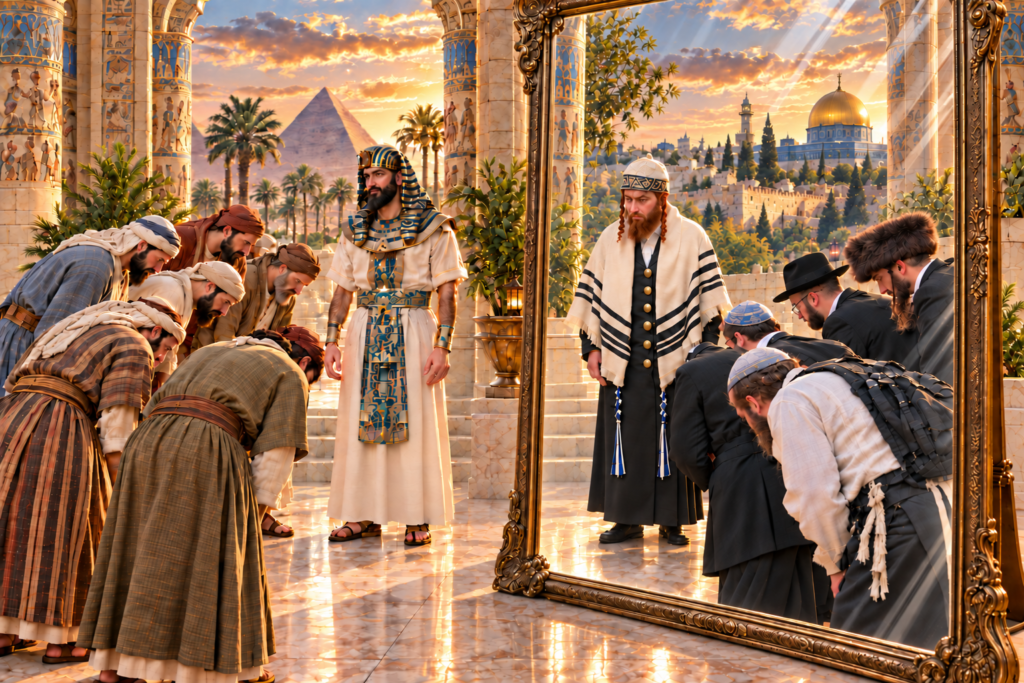
So how is all of this fixed? R' Natan describes the repair in strikingly direct terms. He begins with the three opening words of Parashat Vayigash (Bereshit 44:18): וַיִּגַּשׁ אֵלָיו יְהוּדָה (And Yehudah approached him). R' Natan explains the significance of this approach (Hilchot Tishah b'Av u'Sha'ar Ta'aniyot 4:8): הֵם בְּחִינַת כְּלַל יִשְׂרָאֵל שֶׁנִּקְרָאִים יְהוּדִים עַל שֵׁם יְהוּדָה, שֶׁהֵם נִגָּשִׁים אֶל יוֹסֵף בְּחִינַת הַצַּדִּיק הָאֱמֶת וְשָׁבִים בִּתְשׁוּבָה עַל מְכִירָתוֹ שֶׁהוּא בְּחִינַת פְּגַם אֱמוּנַת חֲכָמִים (They are the aspect of Klal Yisrael, who are called Yehudim after Yehudah; they approach Yosef, the aspect of the true tzaddik, and do teshuvah for having sold him, which is an aspect of a p'gam in emunat chachamim). Yehudah's approach to Yosef becomes something much larger than a family reconciliation. It represents the movement of Klal Yisrael back toward the true tzaddik whom they had previously rejected.
And what does that teshuvah require? R' Natan continues: שֶׁשָּׁבִים בִּתְשׁוּבָה וּמְפַיְּסִים אוֹתוֹ וּמְבַקְּשִׁים מִמֶּנּוּ שֶׁיִּמְחֹל לָהֶם וְיַחֲזֹר וִיתַקְּנֵם בְּעֵצָה שְׁלֵמָה וְטוֹבָה בֶּאֱמֶת (That they do teshuvah, and appease him, and request from him that he forgive them, and once again rectify them through complete and truly good eitzah). This is the deepest reversal of the sale of Yosef. The opposite of selling Yosef is not merely admitting wrong and saying, "Yosef was right." Nor is it simply acknowledging that he was a great tzaddik. The tikkun is to return to Yosef and become willing to receive from him. That's the key. And that is what has been lacking for Klal Yisrael all these long years of galut. What had been rejected must now be sought out – the counsel that had been damaged through the sale must now be received from the very tzaddik who had been cast away. In other words: "We are willing and prepared to receive the da'at of Yosef." For us, then, returning to Yosef means something very concrete: bringing an end to the machloket against Rabbeinu, the true tzaddik, and becoming willing to receive his da'at – which is the da'at of Yosef.
R' Natan carries the story all the way to its final tikkun. Describing the brothers' reconciliation with Yosef, he writes (Hilchot Tishah b'Av u'Sha'ar Ta'aniyot 4:7): וְאָז הִתְוַדַּע לָהֶם יוֹסֵף וְחָזְרוּ וְנִכְלְלוּ יַחַד (And then Yosef made himself known to them, and they once again became included together). He then explains the larger significance: שֶׁזֶּה מְרַמֵּז עַל סוֹף הַתִּקּוּן הָאַחֲרוֹן כְּשֶׁיָּבוֹא מָשִׁיחַ שֶׁאָז יִתְתַּקֵּן הָעֵצָה בִּשְׁלֵמוּת (This alludes to the completion of the final tikkun when Mashiach comes, for then eitzah will be completely rectified). The reconciliation between Yosef and his brothers is therefore not merely the resolution of an ancient family conflict. It is the resolution and the final tikkun of our collective history: separation gives way to reunion, rejection gives way to teshuvah, and those who once refused Yosef are once again joined with him.
This is where the three parts of our discussion finally come together. In Part I – Why Uman? – we saw that Mashiach ben David cannot complete the geulah without Mashiach ben Yosef. In Part II – The Da'at of Yosef – we saw why Mashiach ben Yosef is the channel through whom the necessary da'at must be transmitted to Mashiach ben David. And now, in Part III, we see how that same necessity extends to all of Klal Yisrael – not just that Mashiach ben David must receive from him, but that each and every member of Klal Yisrael must also receive. The rejection of the true tzaddik must itself be repaired. Klal Yisrael must return to Yosef, make peace with him, and become willing to receive from him.
That brings us back to where this trilogy began. R' Avraham Chazan wrote that Moshe Rabbeinu could not redeem Yisrael from Egypt without taking the bones of Yosef with him. But then he added three small, extraordinary words – כֵּן גַּם עַכְשָׁו (So too now). The pattern of the first geulah therefore becomes a key to the final geulah. Yosef cannot simply be bypassed. The da'at carried through Yosef must reach David, and the ancient rupture surrounding Yosef must finally be healed.
Perhaps the final unresolved question is not simply whether the Jewish people want Mashiach. Perhaps it is whether we – the Jewish people collectively represented by Yehudah – are finally prepared to approach Yosef, acknowledge his unique role in the world, and receive his da'at.