

From Fallen Fear to Da'at
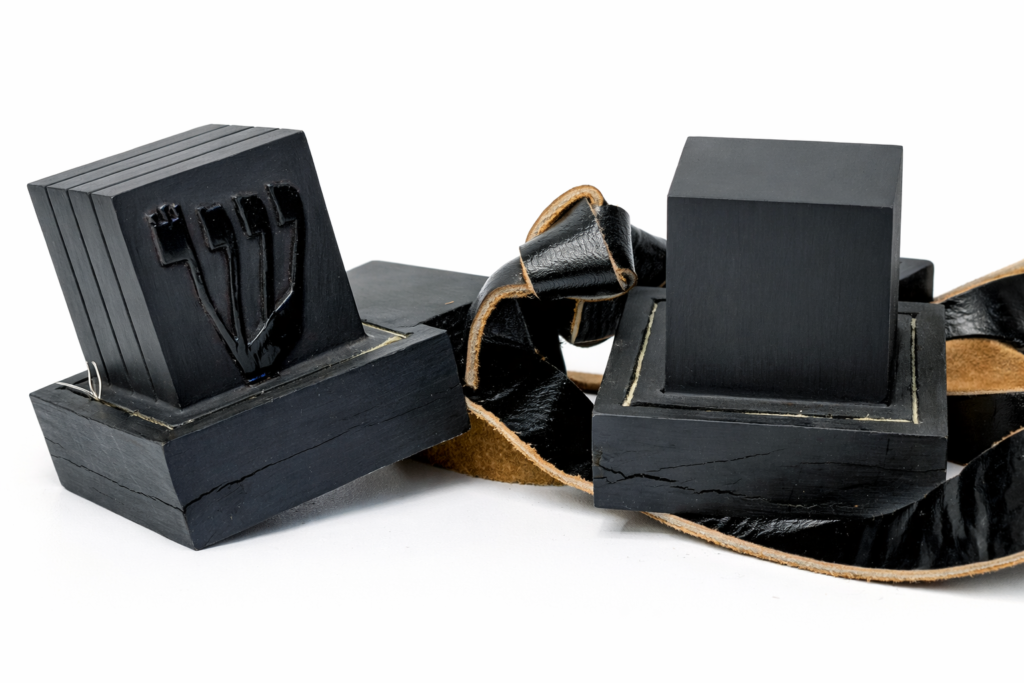
At the end of Parashat Bo, we are introduced to the mitzvah of tefillin – not once, but twice: Shemot 13:9 and 13:16. The first pasuk says that we are supposed to bind it עַל־יָדְךָ (upon your arm), while the second says that we are to bind it עַל־יָדְכָה (upon your arm) – different spelling, same pronunciation. Chazal explain that the Torah wrote the word יָדְכָה in Shemot 13:16 with a final ה to hint at the word כֵּהָה (weak), indicating that we are to place tefillin on our 'weak' arm, i.e. the left arm (Menachot 37a). We know that this has implications in halachah, but perhaps we could ask a question: Why must the tefillin shel yad be placed on the weak, i.e., the left arm?
Likutei Moharan 15 is a deep teaching explaining how one can come to understand, to a limited degree at least, even in this world, the delight of the hidden Torah, i.e. ohr ha-ganuz – the deep secrets of the Torah that Hashem hid away and preserved for the tzaddikim for the future. R' Nachman begins the lesson by summarizing his main point in one sentence: מִי שֶׁרוֹצֶה לִטְעֹם טַעַם אוֹר הַגָּנוּז, הַיְנוּ סוֹדוֹת הַתּוֹרָה שֶׁיִּתְגַּלֶּה לֶעָתִיד, צָרִיךְ לְהַעֲלוֹת מִדַּת הַיִּרְאָה לְשָׁרְשָׁהּ (Someone who wants to experience ohr ha-ganuz, i.e. the secrets of the Torah that will be revealed in the future, needs to elevate the attribute of yirah [fear] to its root).
What is the root of yirah, you may ask? R' Nachman answers (Likutei Moharan 15:3): וְשֹׁרֶשׁ הַיִּרְאָה הוּא דַּעַת, כְּמוֹ שֶׁכָּתוּב בְּעֵץ־הַחַיִּים (The root of yirah is da'at, as written in Eitz ha-Chaim). Complete da'at therefore depends on the integration of yirah within it. When fallen yirah, i.e. fear, is elevated and reunited with da'at, it becomes holy yirah – awe. But, knowledge without yirah is not only an incomplete form of da'at, it is dangerous knowledge: when knowledge of Hashem is severed from yirah, it tends toward arrogance and haughtiness. However, when yirah is properly united with da'at, arrogance dissolves and is replaced with humility and lowliness. This is why da'at, when joined with yirah, is described as residing in the heart (see Devarim 29:3).
How do we actually elevate yirah to its root in da'at? R' Nachman explains (Likutei Moharan 15:2): וּבַמֶּה מַעֲלִין אֶת הַיִּרְאָה, בִּבְחִינַת מִשְׁפָּט (By what means is yirah elevated? Through the aspect of judgment). When we learn to judge ourselves honestly, fallen fears evaporate because din from the Heavenly Courts is negated (Devarim Rabbah 5:5): אִם נַעֲשָׂה הַדִּין לְמַטָּה, אֵין הַדִּין נַעֲשָׂה לְמַעְלָה, וְאִם לֹא נַעֲשָׂה הַדִּין לְמַטָּה הַדִּין נַעֲשָׂה לְמַעְלָה (If din is carried out below, din is not carried out Above; but if din is not carried out below, din is carried out Above). In other words, the very substance of our fallen fears rests in the objects of Heaven's din against us. If we take over the Court's function, then nothing is left for us to fear, and as a result, fallen fear is released from being trapped in the klipot, freeing it to be elevated back to its root.
The next step in the process is the acquisition of true Torah knowledge (Likutei Moharan 15:4): וּכְשֶׁמַּגִּיעַ לִבְחִינַת דַּעַת, זוֹכֶה לְהַשָּׂגַת הַתּוֹרָה (And when one reaches the aspect of da'at, one merits to grasp the Torah). R' Nachman flips conventional wisdom on its head. Many err in thinking that by studying Torah, one attains da'at, but R' Nachman says the reverse: one attains true understanding of the Torah that he's learning as a result of having his fallen fears elevated to their source, making his da'at whole. Put another way, the Torah is not a textbook subject. It's spiritual, and as a result one needs a spiritual quality to comprehend it. We've already seen how this spiritual quality is manifest – being willing to spend time judging oneself honestly – but what is the spiritual quality behind that willingness? It is the aspect of Sinai itself – lowliness [שִׁפְלוּת, shiflut], as Rabbeinu states (Likutei Moharan 15:4): וּבְחִינַת סִינַי הוּא בְּחִינַת שִׁפְלוּת, כְּמוֹ שֶׁאָמְרוּ חֲכָמֵינוּ זִכְרוֹנָם לִבְרָכָה (סוטה ה.), שֶׁהִנִּיחַ הַקָּדוֹשׁ־בָּרוּךְ־הוּא כָּל הֶהָרִים וְלֹא נָתַן הַתּוֹרָה אֶלָּא עַל הַר־סִינַי (And the aspect of Sinai is the aspect of shiflut, as Chazal said [Sotah 5a], that Ha-Kadosh, baruch Hu, set up all the mountains, and gave the Torah only upon Mount Sinai). Our holy Torah, even the revealed aspects, cannot be truly grasped without shiflut. And it's that shiflut which enables a person to take time out of his day (or night) and judge himself.
True comprehension of the revealed Torah enables us to pray with mesirut nefesh, which in turn enables us to grasp the ohr ha-ganuz, even in this world (Likutei Moharan 15:4): אֲבָל בְּזֶה הָעוֹלָם זוֹכֶה לִבְחִינַת נִסְתָּר עַל־יְדֵי תְּפִלָּה בִּמְסִירַת־נֶפֶשׁ, וְלִתְפִלָּה זוֹכֶה עַל־יְדֵי תּוֹרָה שֶׁבְּנִגְלֶה (But in this world, one merits the aspect of the hidden through tefillah with mesirut nefesh, and one merits tefillah through the revealed Torah).
What does it mean to pray with mesirut nefesh? It means to pray for the sake of the Shechinah, not for oneself – and even when one is praying for one's needs in the Shemoneh Esreh, it is still only for the sake of the Shechinah. Although this is a very high level, it is the true objective for those who aim high. And we can attain that goal by rising before chatzot and joining ourselves with the Shechinah in Her mourning over the destruction of the Beit ha-Mikdash (Likutei Halachot, Tefillin 3): קִימַת חֲצוֹת זֶה בְּחִינַת הַעֲלָאַת הַיִּרְאָה לְשָׁרְשָׁהּ עַל־יְדֵי בְּחִינַת מִשְׁפָּט, כִּי קֹדֶם חֲצוֹת אוֹמְרִים וִדּוּי עַל הַחֲטָאִים, זֶה בְּחִינַת מִשְׁפָּט שֶׁשּׁוֹפֵט אֶת עַצְמוֹ עַל כָּל מַה שֶׁעָשָֹה (Rising at chatzot is the aspect of elevating yirah to its root through the aspect of judgment, for before [tikkun] chatzot we recite Vidui over one's sins, and this is the aspect of judgment that one judges oneself for everything that one has done). This causes a thread of lovingkindness [חוּט שֶׁל חֶסֶד, chut shel chesed] to extend to us all day long (Chagigah 12b): אָמַר רֵישׁ לָקִישׁ: כׇּל הָעוֹסֵק בְּתוֹרָה בַּלַּיְלָה הַקָּדוֹשׁ בָּרוּךְ הוּא מוֹשֵׁךְ עָלָיו חוּט שֶׁל חֶסֶד בַּיּוֹם (Reish Lakish said, Anyone who occupies himself with Torah at night, Ha-Kadosh, baruch Hu, extends over him a chut shel chesed by day). And it is this chut shel chesed that enables us to pray Shacharit with mesirut nefesh in the aspect of chesed, in the true spirit of Avraham, the one who originated morning prayer itself.
Now that we have the full map laid out in front of us, the question is, What does any of this have to do with tefillin? The simple answer is, everything. R' Natan writes (Likutei Halachot, Tefillin 3): וְכָל זֶה הוּא בְּחִינַת תְּפִלִּין, כִּי עִקַּר הַתְּפִלִּין הוּא לְהַעֲלוֹת הַיִּרְאָה לְשָׁרְשָׁהּ (All of this is the aspect of tefillin, for the essence of tefillin is to elevate yirah to its root). Every step along the way, from tefillin shel yad corresponding to yirah (see Berachot 6a and Devarim 28:10), and tefillin shel rosh representing da'at, and the four parashiot in tefillin and Kriat Shema that we recite while wearing tefillin, both corresponding to the revealed Torah, to praying Shemoneh Esreh with tefillin – all of this is mirrored in the very map that Rabbeinu has established.
Let's focus on the aspect of wearing tefillin during tefillah. This maps to the last step in the process, the revelation of the ohr ha-ganuz in the mind of one who has properly prepared himself. R' Natan continues: וְזֶהוּ שֶׁמִּתְפַּלְּלִין בִּתְפִלִּין וְעַל-יְדֵי זֶה זוֹכִין לָאוֹר הַגָּנוּז, זֶה בְּחִינַת אוֹרוֹת הַמַּקִּיפִין שֶׁנִּתְגַּלִּין עַל-יְדֵי הַתְּפִלִּין, שֶׁהֵם בְּחִינַת תּוֹרָה שֶׁבְּנִסְתָּר, בְּחִינַת אוֹר הַגָּנוּז, וְזֶה בְּחִינַת שִׁין שֶׁל ג' רָאשִׁין שִׁין שֶׁל ד' רָאשִׁין, זֶה בְּחִינַת אוֹר הַגָּנוּז שֶׁהִיא אוֹר שִׁבְעַת הַיָּמִים, בְּחִינַת ז' רָאשִׁין (And this corresponds to those who pray with tefillin, and through this they merit ohr ha-ganuz. This is the aspect of the 'surrounding lights' that are revealed through tefillin, which are the aspect of the hidden Torah – the aspect of ohr ha-ganuz, and this is the aspect of the shin with three heads and the shin with four heads – this is the aspect of ohr ha-ganuz, which is the light of the seven days [of creation], the aspect of the seven heads). It's as if the tefillin shel rosh acts as a spiritual antenna, tuning us to the surrounding spiritual lights and transmitting their influence into our mind.
Returning to our initial question, Why must tefillin shel yad be placed on the weak, i.e. left, arm? The 'weak' aspect of the left is not a defect; after all, it corresponds to gevurah – the sefirah primarily associated with judgment. Obviously, gevurah is not bad; rather, tefillin work upon fallen yirah, and the mitzvah itself maps the elevation of that yirah back to its source in da'at. Therefore, the avodah begins at the point of fallenness – distorted or misplaced gevurah – rather than at a place of clarity or mastery.
Tefillin shel yad are placed on the weak arm because the work of tefillin begins precisely where a person feels exposed, where yirah is still in its fallen form, but at a place where self-judgment is still possible. From there, yirah can be judged, elevated, and united with da'at, allowing Torah to be grasped and tefillah offered with mesirut nefesh. This is how tefillin repair the soul. The shel yad binds yirah at its lowest point, the shel rosh raises it into clarity of mind, and wearing them specifically during Shacharit enacts this ascent in the body itself – from din to da'at, from fear to awe, from concealment to light.
This is why tefillin must be placed on the weak arm: because the path to the ohr ha-ganuz begins not where a person feels strong, but where he is willing to judge himself.

One Response
IF IT IS TRUE THAT THE FOUR HEADED SHIN IS CALLED THE HA OT AND IS THEREFORE CLOSELY RELATED TO THE MIDNIGHT PRAYER CHAZOT
THEN PERHAPS THE NUMERICAL VALUE SHOULD BE 1000
THEN THIS IS 10 CUBED AND THUS REPRESENTS THE CUBE SHAPE OF ACTUAL TEFELIN BOX
ALL SIDES OF 10 THAT ARE THE 10 COMMANDMENTS
JUST A THOUGHT