Library of Weekly Reports

Welcome to our archive of Torah essays and spiritual teachings. Each report is a deep exploration into the wisdom of Breslov Chassidut, examining the weekly parashah, fundamental principles of Jewish thought, and the transformative power of connecting with Hashem. From the spiritual mechanics of prayer and repentance to the hidden dimensions of Tanakh narratives, these essays invite you into a world where every word of Torah reveals pathways to healing, wholeness, and divine service. Whether you’re seeking clarity on timeless questions or practical guidance for your spiritual journey, these teachings are offered with the intention of bringing light, hope, and deeper understanding to your life and beyond.

Freeing the Captives

Fear disqualifies a man from battle—not only fear of swords, says R’ Akiva, but even fear of one’s own sins, says R’ Yosi ha-G’lili. The Torah hints that true war is spiritual: rescuing sparks of holiness from captivity, where the Shechinah itself waits for release.

Read More →

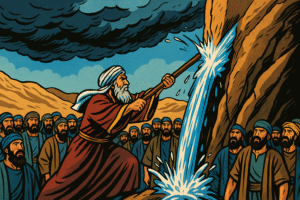
Speak to the Rock Before Their Eyes

What will bring the final geulah? This deep Torah essay explores Moshe’s test at the rock, Miriam’s well, and the true path to redemption: humble, unified prayer. Learn why only through the collective tefillah of Klal Yisrael can the wellsprings of Torah reopen and Mashiach come.

Read More →

Removing the Spirit of Jealousy

Hashem values shalom so deeply that He allows His name to be erased from a sefer — nullifying His own reputation in the world — to restore peace between husband and wife in the case of suspected adultery. Similarly, tzaddikim sometimes burn their own holy sefarim. What holy purpose are they achieving by this act?

Read More →

Shavuot: Entering into Hashem's Simchah

Experience the inner joy of doing mitzvot with pure intention—lishmah. Drawing upon teachings from Rebbe Nachman and Likutei Halachot, rhis powerful Torah insight explores how true simchah connects us to na’aseh v’nishma, uplifts the soul, and reveals the deeper light of Shavuot and Matan Torah.

Read More →

And To Visit His Palace

Parashat Terumah delves into the significance of the contributions to the Mishkan. Explore the spiritual lessons behind Hashem's command to "take" a terumah and how giving with a generous heart brings us closer to divine wisdom and understanding.

Read More →

Like One Man With One Heart

How to Fulfill the Mitzvah of 'You Shall Love Your Fellow as Yourself' Commenting on the fact that Shemot 19:2 describes Am Yisrael using the plural וַיַּחֲנוּ (and they encamped) and then just two words later describes it using the singular וַיִּחַן (and it encamped), Rashi famously writes that they

Read More →

The Four Pillars of the World

A Deeper Look into the Weeks of Shovavim Shimon ha-Tzaddik, one of the last surviving members of the Anshei Knesset ha-Gedolah – 120 elders of B'nei Yisrael, including a number of prophets, which instituted many of our customary practices in Judaism, such as the wording of the Shemoneh Esreh –

Read More →

Ephraim and Menasheh Shall be Mine

A Deeper Reason Why Ya'akov Adopted Yosef's Two Sons: If we're not careful, the Torah can appear to us as a collection of unrelated events with no connectivity between them – this happened, and then this happened, and then this happened, and so on. Further compounding the problem is that

Read More →

The Right and the Left of the Torah

Learning Torah Lishmah vs. Lo-Lishmah: As a post-script to our essay Cunning: Skill to Achieve One's Goals by Deceit, Rav Sheishet taught (Shabbat 63a): מַאי דִכְתִיב ״אֹרֶךְ יָמִים בִּימִינָהּ בִּשְׂמֹאלָהּ עֹשֶׁר וְכָבוֹד״ אֶלָּא בִּימִינָהּ אֹרֶךְ יָמִים אִיכָּא, עֹשֶׁר וְכָבוֹד לֵיכָּא?! אֶלָּא: לַמַּיְימִינִין בָּהּ אֹרֶךְ יָמִים אִיכָּא, וְכָל שֶׁכֵּן עוֹשֶׁר וְכָבוֹד.

Read More →

Cunning: Skill in Achieving One's Ends by Deceit

What Was So Wrong With Lavan? It is written (Bereshit 3:1): וְהַנָּחָשׁ הָיָה עָרוּם מִכֹּל חַיַּת הַשָּׂדֶה אֲשֶׁר עָשָׂה יְיָ אֱלֹקִים (And the Nachash was more arum than all the animals of the field which Hashem G-d had made). What is the meaning of עָרוּם [arum]? The Bechor Shor says

Read More →

What the Debate Was Really About

The Brothers Ate Eiver Min ha-Chai? When beginning the story of Yosef, the Torah tells us (Bereshit 37:2): וַיָּבֵא יוֹסֵף אֶת־דִּבָּתָם רָעָה אֶל־אֲבִיהֶם (And Yosef brought their defamation to their father). Much has been written about how the brothers defamed Yosef, but what was at the root of their disagreement

Read More →

Make Me Tasty Treats That I Love

The Secret of Eiver Min ha-Chai: We know the story. Yitzchak Avinu called for his eldest son to come to him (Bereshit 27:1). After he arrived, Yitzchak told Esav that he was approaching the day of his death (27:2), although he didn't know exactly when it would come, and that

Read More →