Library of Weekly Reports

Learning to See Leah

He conquered Lavan and Esav, but the final transformation came only when Ya'akov saw Leah for who she truly was. Becoming Yisrael meant learning to recognize the greatness that had been beside him all along.

Read More →

Rachel's Silence

Rachel’s silence in Vayeitzei hides one of the Torah’s most painful truths. For seven years she watched Leah receive the love, gifts, and destiny meant for her – and said nothing, choosing compassion over vindication. Her quiet sacrifice reshapes our understanding of the entire parashah.

Read More →

The Anatomy of Modesty

The act of Shem and Yefet covering their father reveals a map of modesty: body, will, and soul aligning to guard the tzelem Elokim. From instinctive awe to conscious mitzvah to divine stillness, the Torah shows how true tzniut radiates holiness from within.

Read More →

Freeing the Captives

Fear disqualifies a man from battle—not only fear of swords, says R’ Akiva, but even fear of one’s own sins, says R’ Yosi ha-G’lili. The Torah hints that true war is spiritual: rescuing sparks of holiness from captivity, where the Shechinah itself waits for release.

Read More →

Eyes that Create Plague

Hashem commanded a war of vengeance against Midian, led by twelve thousand holy warriors who guarded their eyes with fierce dedication. This essay uncovers the deep connection between shemirat einayim, unholy spiritual forces, and the catastrophic power of androlomusia.

Read More →

Removing the Spirit of Jealousy

Hashem values shalom so deeply that He allows His name to be erased from a sefer — nullifying His own reputation in the world — to restore peace between husband and wife in the case of suspected adultery. Similarly, tzaddikim sometimes burn their own holy sefarim. What holy purpose are they achieving by this act?

Read More →

For This Reason You Were Chosen

Aharon's hesitation at the Mishkan’s inauguration reveals a powerful lesson: true humility and reverence can be the very reasons we’re chosen for greatness. Discover how Moshe’s and Aharon’s contrasting responses shaped their divine roles in this deep exploration of leadership and self-awareness.

Read More →

Ya'akov's Simanim and the Establishment of the Kehunah

Ya’akov’s secret simanim to Rachel and the kohanim’s sanctification share a hidden purpose—removing impurity for divine service. Exploring Kabbalistic insights, this article uncovers the deep spiritual connection between these rituals, shedding light on holiness, purity, and the power of tz’niut.

Read More →

Sold for a Pair of Shoes

The Job of a Shoemaker: It is written (Amos 2:6): כֹּה אָמַר יְיָ עַל־שְׁלֹשָׁה פִּשְׁעֵי יִשְׂרָאֵל וְעַל־אַרְבָּעָה לֹא אֲשִׁיבֶנּוּ עַל־מִכְרָם בַּכֶּסֶף צַדִּיק וְאֶבְיוֹן בַּעֲבוּר נַעֲלָיִם׃ (So said Hashem, For three crimes of Yisrael, and for four, I will not turn away, for their sale of a tzaddik and a pauper

Read More →

Releasing the Holy Sparks

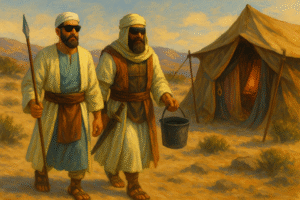
A Point of Contention Between Yosef and His Brothers: The sale of Yosef. If we had a truly sensitive soul, those words would send shivers down our spine. Not only did that one action set into motion a chain of events that led to the brutal enslavement of the whole

Read More →

It All Depends on Your Vessel

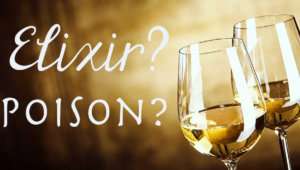
How the Torah Can Be an Elixir of Life or a Deadly Poison: It is taught in Kiddushin 30b: תָּנוּ רַבָּנַן: ״וְשַׂמְתֶּם״ סַם תָּם, נִמְשְׁלָה תּוֹרָה כְּסַם חַיִּים (The Rabbis taught in a Baraita, "And you shall place [these words of Mine upon your heart and upon your soul]" [Devarim

Read More →

The Danger of Relying on Self-Evaluation

The Dispute Between Zimri and Pinchas: The Gemara in Berachot 32a offers different 'proof texts' to show that Moshe Rabbeinu spoke somewhat impertinently [הֵטִיחַ דְּבָרִים כְּלַפֵּי מַעְלָה, literally, 'he threw his words upward'] to Ha-Kadosh, baruch Hu when he sought to defend B'nei Yisrael on account of their sins. One

Read More →