Library of Weekly Reports

Divrei Torah Rooted in Breslov Chassidut

Collected Archive of Shoemaker Reports

The Shoemaker Report is Rav Hoshea’s weekly Torah publication. Its focus is on internalizing and living Torah from the heart, not only from the head. The divrei Torah often take the parashah of the week as their point of entry and address central questions of inner avodah — including teshuvahprayer (tefillah)emunah, bitachon, and related areas of spiritual and personal refinement.

The writing assumes seriousness from the reader and speaks from within Torah life, with meaning emerging organically from honest analysis of our holy Torah and the words of Chazal, rather than from short-lived inspiration or simplified conclusions.

The Long and Winding Road

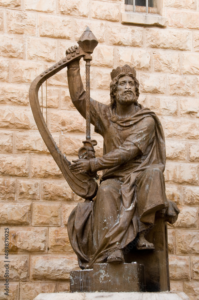
Mashiach’s origins are hidden in darkness—Lot, Balak, Eglon, and Rut. From incest to idolatry to devotion, the lineage of David ha-Melech reveals light emerging through klipah. Discover how redemption begins in the cracks of fear, impurity, and hidden holiness.
Read More →

Speak to the Rock Before Their Eyes

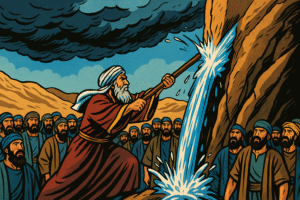
What will bring the final geulah? This deep Torah essay explores Moshe’s test at the rock, Miriam’s well, and the true path to redemption: humble, unified prayer. Learn why only through the collective tefillah of Klal Yisrael can the wellsprings of Torah reopen and Mashiach come.

Read More →

Cunning: Skill in Achieving One's Ends by Deceit

What Was So Wrong With Lavan? It is written (Bereshit 3:1): וְהַנָּחָשׁ הָיָה עָרוּם מִכֹּל חַיַּת הַשָּׂדֶה אֲשֶׁר עָשָׂה יְיָ אֱלֹקִים (And the Nachash was more arum than all the animals of the field which Hashem G-d had made). What is the meaning of עָרוּם [arum]? The Bechor Shor says

Read More →

Innocent or Guilty? It's the Jury's Decision

A Generation that is Entirely Innocent or Entirely Guilty: R' Yochanan taught (Sanhedrin 98a): אין בן דוד בא אלא בדור שכולו זכאי או כולו חייב. בדור שכולו זכאי דכתיב (ישעיהו ס, כא) ועמך כולם צדיקים לעולם יירשו ארץ בדור שכולו חייב דכתיב (ישעיהו נט, טז) וירא כי אין איש וישתומם

Read More →

Raise Your Voice Like a Shofar

Mashiach and the Mechanics of Rebuke: A little over a year ago, we published a d'var Torah entitled To Rebuke or Not to Rebuke: That is the Question. In that article, we explained what happens to someone who receives rebuke from someone who is unfit to rebuke. In short, instead

Read More →

The Real Meaning of Chevlei Mashiach

How Machloket Not for the Sake of Heaven Serves a Higher Purpose In last few articles from The Shoemaker Report we have taken the time to explain teachings from the Zohar ha-Kadosh and from the Vilna Gaon that state unequivocally that one of the worst sins we could become involved

Read More →

The Beautiful Maiden or the Evil Maidservant

The Secret of the Erev Rav (Part 3) In the past two issues of The Shoemaker Report, we examined the origins and characteristics of the souls of the converts who accompanied the Jewish People when they left Egypt in the days of Moshe Rabbeinu. This group, known collectively as the

Read More →

How to Blot Out the Memory of Amalek

The Secret of the Erev Rav (Part 2) In last week's article, The Erev Rav Also Went Up With Them, we learned a number of important points related to the Erev Rav and their relationship to B'nei Yisrael. First, the worship of the golden calf was instigated by a group

Read More →

I'm Black, but Beautiful

How the Mishkan Was Built In what is perhaps his most well-known lesson in Likutei Moharan, R' Nachman of Breslov explains the importance of looking for, and finding (!), the good points in every Jew, even in someone we might consider a rasha (see L.M. 282). He also teaches there

Read More →

They Found One Sealed Flask of Oil

The Meaning Behind the Miracles of Chanukah Three kinds of intelligence [שֵּׂכֶל, seichel] are capable of illuminating the mind of man. The lowest level corresponds to what each and every one of us is capable of achieving on his own provided that he goes through a normal step by step

Read More →

The Secret of the Vav Ketiah

We know the story. Balak hired Bilaam to curse Yisrael but was unsuccessful because Bilaam was permitted only to speak blessings upon Yisrael. Nevertheless, Bilaam devised a plan, which he knew that if it succeeded, destruction would come upon Yisrael from Hashem himself (see Sanhedrin 106a for details). The succinct

Read More →

Moshe's Incredible Sense of Responsibility

In last week’s article, we reviewed the six main attributes of the parah adumah (disgraced, unblemished soul, occupied fully with Torah, a tzaddik who exhibits true shiflut, yet despised by the nation) and challenged the reader to see the connection between those attributes and the suffering servant of Yeshayah 52:13-53:12.

Read More →