Learning to See Leah
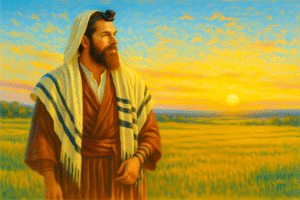
He conquered Lavan and Esav, but the final transformation came only when Ya'akov saw Leah for who she truly was. Becoming Yisrael meant learning to recognize the greatness that had been beside him all along.
Welcome to our archive of Torah essays and spiritual teachings. Each report is a deep exploration into the wisdom of Breslov Chassidut, examining the weekly parashah, fundamental principles of Jewish thought, and the transformative power of connecting with Hashem. From the spiritual mechanics of prayer and repentance to the hidden dimensions of Tanakh narratives, these essays invite you into a world where every word of Torah reveals pathways to healing, wholeness, and divine service. Whether you’re seeking clarity on timeless questions or practical guidance for your spiritual journey, these teachings are offered with the intention of bringing light, hope, and deeper understanding to your life and beyond.

He conquered Lavan and Esav, but the final transformation came only when Ya'akov saw Leah for who she truly was. Becoming Yisrael meant learning to recognize the greatness that had been beside him all along.

Rachel’s silence in Vayeitzei hides one of the Torah’s most painful truths. For seven years she watched Leah receive the love, gifts, and destiny meant for her – and said nothing, choosing compassion over vindication. Her quiet sacrifice reshapes our understanding of the entire parashah.

Avraham saw a mountain, Yitzchak a field, but Ya'akov a house—and with it, the secret of universal tefillah. Learn how the Patriarchs built a living pathway to Hashem and why only Ya'akov’s vision turns prayer into a home for all peoples.

Ya’akov’s secret simanim to Rachel and the kohanim’s sanctification share a hidden purpose—removing impurity for divine service. Exploring Kabbalistic insights, this article uncovers the deep spiritual connection between these rituals, shedding light on holiness, purity, and the power of tz’niut.

A Deeper Reason Why Ya'akov Adopted Yosef's Two Sons: If we're not careful, the Torah can appear to us as a collection of unrelated events with no connectivity between them – this happened, and then this happened, and then this happened, and so on. Further compounding the problem is that

How Come Esav Didn't Do Teshuvah? Ya'akov Avinu had finally extricated himself from Lavan's control. He had crossed the Yarden, entered Eretz Cana'an and was preparing to meet his brother Esav. He sent messengers ahead of himself, whom Rashi tells us, based on Bereshit Rabbah 75:4, were מַלְאָכִים מַמָּשׁ (literally

Learning Torah Lishmah vs. Lo-Lishmah: As a post-script to our essay Cunning: Skill to Achieve One's Goals by Deceit, Rav Sheishet taught (Shabbat 63a): מַאי דִכְתִיב ״אֹרֶךְ יָמִים בִּימִינָהּ בִּשְׂמֹאלָהּ עֹשֶׁר וְכָבוֹד״ אֶלָּא בִּימִינָהּ אֹרֶךְ יָמִים אִיכָּא, עֹשֶׁר וְכָבוֹד לֵיכָּא?! אֶלָּא: לַמַּיְימִינִין בָּהּ אֹרֶךְ יָמִים אִיכָּא, וְכָל שֶׁכֵּן עוֹשֶׁר וְכָבוֹד.

What Was So Wrong With Lavan? It is written (Bereshit 3:1): וְהַנָּחָשׁ הָיָה עָרוּם מִכֹּל חַיַּת הַשָּׂדֶה אֲשֶׁר עָשָׂה יְיָ אֱלֹקִים (And the Nachash was more arum than all the animals of the field which Hashem G-d had made). What is the meaning of עָרוּם [arum]? The Bechor Shor says

The Secret of Eiver Min ha-Chai: We know the story. Yitzchak Avinu called for his eldest son to come to him (Bereshit 27:1). After he arrived, Yitzchak told Esav that he was approaching the day of his death (27:2), although he didn't know exactly when it would come, and that

How to Acquire the Attribute of Yosef ha-Tzaddik: In last week's article Ya'akov's Fear in Going Down to Egypt, we learned that through the strength of his character, specifically his shemirat einayim, Yosef was able to break the tumah of immorality that filled the land of Egypt. As a result

Yaakov's Encounter with the Ministering Angel of Esav After Yaakov Avinu conducted his family and possessions across the river when returning to what would eventually become known as Eretz Yisrael, we read the following in the Torah (Bereshit 32:25): וַיִּוָּתֵר יַעֲקֹב לְבַדּוֹ וַיֵּאָבֵק אִישׁ עִמּוֹ עַד עֲלוֹת הַשָּׁחַר (And Yaakov