Library of Weekly Reports

Divrei Torah Rooted in Breslov Chassidut

Collected Archive of Shoemaker Reports

The Shoemaker Report is Rav Hoshea’s weekly Torah publication. Its focus is on internalizing and living Torah from the heart, not only from the head. The divrei Torah often take the parashah of the week as their point of entry and address central questions of inner avodah — including teshuvahprayer (tefillah)emunah, bitachon, and related areas of spiritual and personal refinement.

The writing assumes seriousness from the reader and speaks from within Torah life, with meaning emerging organically from honest analysis of our holy Torah and the words of Chazal, rather than from short-lived inspiration or simplified conclusions.

Why Nothing Changes

You pray, fast, and struggle to change, yet nothing seems to last. The effort feels sincere, even heroic, but the same patterns return. The failure is not moral weakness – it is structural. Self-reliance itself becomes the barrier to true repair.

Read More →

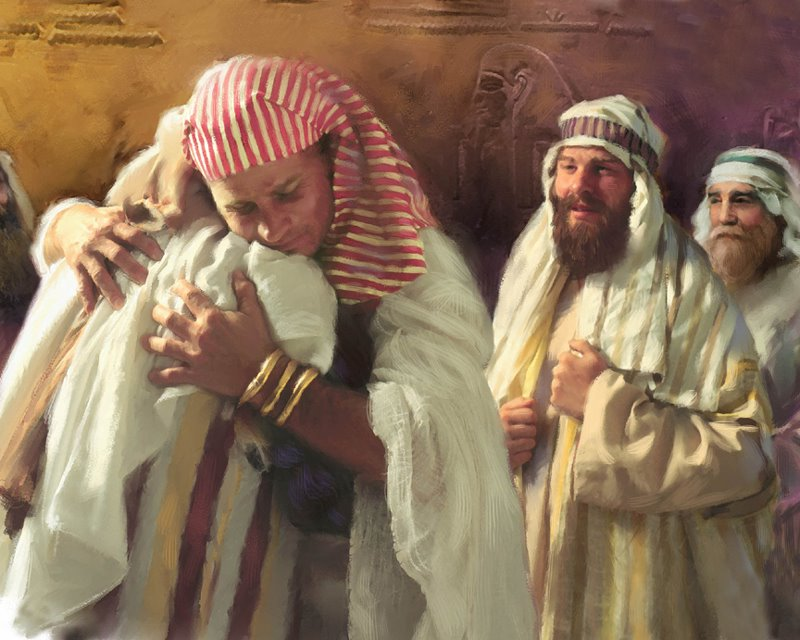
Yosef's Refusal of Potiphar's Wife Was Not Enough

Yosef’s refusal of Potiphar’s wife's advances was more than superhuman restraint. The Komarna Rebbe reveals that his strength came from hitkashrut to the tzaddik — the shalshelet of the Avot — the hidden power that empowered him to withstand even the fiercest temptation.

Read More →

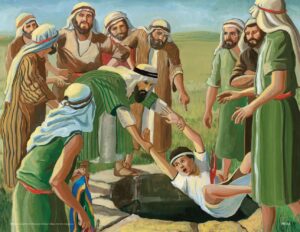
Sold for a Pair of Shoes

The Job of a Shoemaker It is written (Amos 2:6): כֹּה אָמַר יְיָ עַל־שְׁלֹשָׁה פִּשְׁעֵי יִשְׂרָאֵל וְעַל־אַרְבָּעָה לֹא אֲשִׁיבֶנּוּ עַל־מִכְרָם בַּכֶּסֶף צַדִּיק וְאֶבְיוֹן בַּעֲבוּר נַעֲלָיִם׃ (So said Hashem, For three crimes of Yisrael, and for four, I will not turn away, for their sale of a tzaddik and a pauper

Read More →

What the Debate Was Really About

The Brothers Ate Eiver Min ha-Chai? When beginning the story of Yosef, the Torah tells us (Bereshit 37:2): וַיָּבֵא יוֹסֵף אֶת־דִּבָּתָם רָעָה אֶל־אֲבִיהֶם (And Yosef brought their defamation to their father). Much has been written about how the brothers defamed Yosef, but what was at the root of their disagreement

Read More →

Lost and Found

The Role of the Tzaddikim in Finding What We Lost: R' Simlai taught the following Baraita about the developing Jewish child in his mother's womb (Niddah 30b): ונר דלוק לו על ראשו וצופה ומביט מסוף העולם ועד סופו…ואין לך ימים שאדם שרוי בטובה יותר מאותן הימים…ומלמדין אותו כל התורה כולה…וכיון

Read More →

Ya'akov's Fear of Going Down to Egypt

The Power of One Man's Personal Kedushah: After Ya'akov learned that Yosef was alive and well in Egypt, he knew that he needed to go and see him. He set out from his home with his family and all of his possessions and came to Be'er Sheva where he offered

Read More →

Revealing a Tefach and Covering a Tefach

The Secret Kavanah of Brit Milah (Part 1) We accept the mitzvah of brit milah without question. Even some of the outwardly less-observant members of our nation, for example, those who desecrate the kedushah of Shabbat without even the slightest pang of conscience, would never imagine not performing brit milah

Read More →

Strolling Around the Mall

In last week's article, The Danger of Breathing in Poisoned Air, we learned that the transgression that led to the Jewish men leaving their holy encampment and going to the Midianite market was because they were not breathing in the pure air that emanated from the mouth of Moshe Rabbeinu.

Read More →

The Light of the Tzaddik

A Teaching on Likutei Halachot Orach Chaim Chanukah 2 Many laws exist pertaining to the lighting of the menorah during Chanukah. Let’s focus on just one halachah (Shabbat 21b): אָמַר רָבִינָא מִשּׁוּם דְּרַבָּה: זֹאת אוֹמֶרֶת נֵר חֲנוּכָּה מִצְוָה לְהַנִּיחָהּ בְּתוֹךְ עֲשָׂרָה (Ravina said in the name of Rabbah, ‘This is

Read More →