Library of Weekly Reports

Divrei Torah Rooted in Breslov Chassidut

Collected Archive of Shoemaker Reports

The Shoemaker Report is Rav Hoshea’s weekly Torah publication. Its focus is on internalizing and living Torah from the heart, not only from the head. The divrei Torah often take the parashah of the week as their point of entry and address central questions of inner avodah — including teshuvahprayer (tefillah)emunah, bitachon, and related areas of spiritual and personal refinement.

The writing assumes seriousness from the reader and speaks from within Torah life, with meaning emerging organically from honest analysis of our holy Torah and the words of Chazal, rather than from short-lived inspiration or simplified conclusions.

And To Visit His Palace

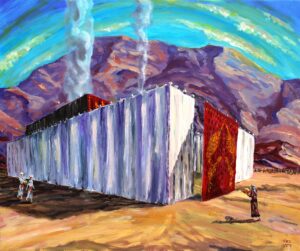
Parashat Terumah delves into the significance of the contributions to the Mishkan. Explore the spiritual lessons behind Hashem's command to "take" a terumah and how giving with a generous heart brings us closer to divine wisdom and understanding.

Read More →

Blood [is] Money

The Torah teaches that someone who injures another is responsible for medical expenses (Shemot 21:19). This passage also introduces the phrase "v'rapo y'rapei," which leads to a deeper exploration of the role of doctors and the spiritual implications of healing. What secret do these words come to reveal?

Read More →

Like One Man With One Heart

How to Fulfill the Mitzvah of 'You Shall Love Your Fellow as Yourself' Commenting on the fact that Shemot 19:2 describes Am Yisrael using the plural וַיַּחֲנוּ (and they encamped) and then just two words later describes it using the singular וַיִּחַן (and it encamped), Rashi famously writes that they

Read More →

The Battle is in the Ceasefire

What the War of Gog and Magog is Really All About: "Moshe ben Amram! Why do you keep letting up and giving the Egyptians one respite after another? That just hardens their hearts and emboldens them even more. Don't you understand that? Just finish them off already! Enough is enough.

Read More →

The Seven Bows that Changed the Course of the World

How Come Esav Didn't Do Teshuvah? Ya'akov Avinu had finally extricated himself from Lavan's control. He had crossed the Yarden, entered Eretz Cana'an and was preparing to meet his brother Esav. He sent messengers ahead of himself, whom Rashi tells us, based on Bereshit Rabbah 75:4, were מַלְאָכִים מַמָּשׁ (literally

Read More →

Cunning: Skill in Achieving One's Ends by Deceit

What Was So Wrong With Lavan? It is written (Bereshit 3:1): וְהַנָּחָשׁ הָיָה עָרוּם מִכֹּל חַיַּת הַשָּׂדֶה אֲשֶׁר עָשָׂה יְיָ אֱלֹקִים (And the Nachash was more arum than all the animals of the field which Hashem G-d had made). What is the meaning of עָרוּם [arum]? The Bechor Shor says

Read More →

What the Debate Was Really About

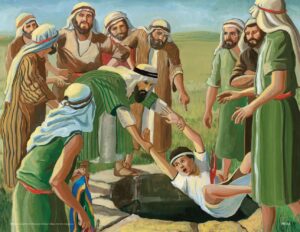
The Brothers Ate Eiver Min ha-Chai? When beginning the story of Yosef, the Torah tells us (Bereshit 37:2): וַיָּבֵא יוֹסֵף אֶת־דִּבָּתָם רָעָה אֶל־אֲבִיהֶם (And Yosef brought their defamation to their father). Much has been written about how the brothers defamed Yosef, but what was at the root of their disagreement

Read More →

Make Me Tasty Treats That I Love

The Secret of Eiver Min ha-Chai: We know the story. Yitzchak Avinu called for his eldest son to come to him (Bereshit 27:1). After he arrived, Yitzchak told Esav that he was approaching the day of his death (27:2), although he didn't know exactly when it would come, and that

Read More →

How to Make Your Obstacles Disappear

The Importance of Desire: Born into American slavery in 1856, Booker T. Washington was freed at the age of 9 when U.S. Troops, arriving the area in which he lived, enforced President Lincoln's Emancipation Proclamation. Teaching himself to read, he devoured every book he could get his hands on. He

Read More →

A Worm, Drippings of a Honeycomb and Men of Faith

Rosh Hashanah and Breaking the Power of Imagination: Good things come in threes: three patriarchs (Avraham, Yitzchak and Ya'akov), three mochin [spiritual brains] (chochmah, binah and da'at), three kinds of seichel [intellect] (potential, actualized and acquired), three lower aspects of the Jewish soul (nefesh, ruach and neshamah), three 'garments', i.e.

Read More →

Lost and Found

The Role of the Tzaddikim in Finding What We Lost: R' Simlai taught the following Baraita about the developing Jewish child in his mother's womb (Niddah 30b): ונר דלוק לו על ראשו וצופה ומביט מסוף העולם ועד סופו…ואין לך ימים שאדם שרוי בטובה יותר מאותן הימים…ומלמדין אותו כל התורה כולה…וכיון

Read More →

Justice + Truth = Emunah

The Deep Purpose for Suffering: Why is it that when someone begins to do teshuvah and starts walking in Hashem's ways, he frequently encounters difficulties and experiences suffering? If the purpose of suffering is to motivate a person to do teshuvah, why should he have to suffer at all? After

Read More →